There are alarming signs of the climate change in Armenian media
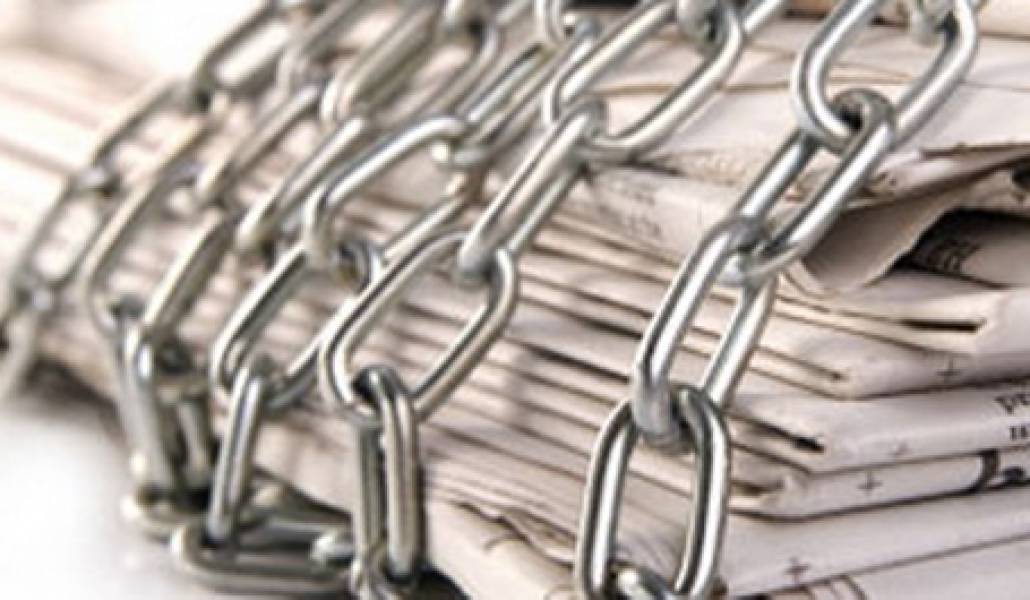
The analytical article of Boris Navasardyan, Chairman of Yerevan Press Club, was published on JAMnews, which connects you to the latest first-hand news from across the South Caucasus and is published in six languages. From the point of view of the freedom of speech, Armenia looks like a calm harbor against the background of escalation of repressions against journalists in the most problematic countries and scandalous changes in the media legislation in some EU member-states. At the first sight, nothing has changed here either for the better or for the worse. Being the main source of information, the television still remains under the vigilant political control. The radio has been stuck in the musical-entertainment format. As for independent investigative journalism, it survives only at the expense of foreign grants. At the same time, nothing, but the financial opportunities, restricts the freedom of on-line and print media. Journalists neither have been jailed, nor got under an overwhelming burden of fines. Even the “Eurasian winds”, that the Armenian pro-democratic public apprehended so much after the country had joined the Eurasian Economic Union (EAEU), have not disturbed the seeming calmness of this harbor. However, the observers, who are sensitive to atmospheric fluctuations, can’t help noticing alarming signs of the climate change. The demonstrative in this regard was the Armenian establishment officials’ response to the journalists’ inconvenient questions during the event, dedicated to the Day of the Armenian Army, on January 28. “We have been sick of them!”- Gorik Hakobyan, Armenian National Security Service Director [since February 12 adviser to the President of Armenia], loudly summed up his passing through lined up representatives of press, who were interested in expected changes in his agency. Navasard Ktchoyan, the Head of Ararat Eparchy of Armenian Apostolic Church, did not find any other argument to comment rumors, compromising him, rather than to tell journalists: “You are not representatives of the public” (in other words, “I am not obliged to explain you anything”). Video footages of these episodes were widely spread in virtual space, causing lots of responses. Aram Abramyan, Editor-in-Chief of The Aravot newspaper, tried to explain in his editorial the nature of “high relations” of the clergyman and the “law-enforcer” with representative of the media:… “They believe, all journalists are “flaky persons”, “who are in the way”, “pettifogging”, “writing on order” and they should be tolerated for some unclear reasons”. Increasing immunity to critics and neglect of reputation risks have become more peculiar for the highest officials and oligarchs (as a rule, the same persons), feeling themselves lawful masters of the country. Their private interests and resistance to reforms have always been the factors, hampering a progress in different spheres, including in the media field. It is noteworthy, that a care of the international image – that is, one of those “unclear reasons”, made official Yerevan compromise with the civil society and the journalists, upholding their rights. As a result, at the end of the 1990s, the state broadcaster’s preservation was prevented. Under the draft law, passed by the Parliament in the first reading, it was to co-exist with the being established de-jure public broadcaster. Later, obligatory registration of media outlets was abolished, attempts to restrict the Internet freedom and exert pressure on the disloyal press through a wave of defamatory suits from representatives of the power encirclement, were also prevented. More on jam-news.net