Next partial solar eclipse on September 13 (video)
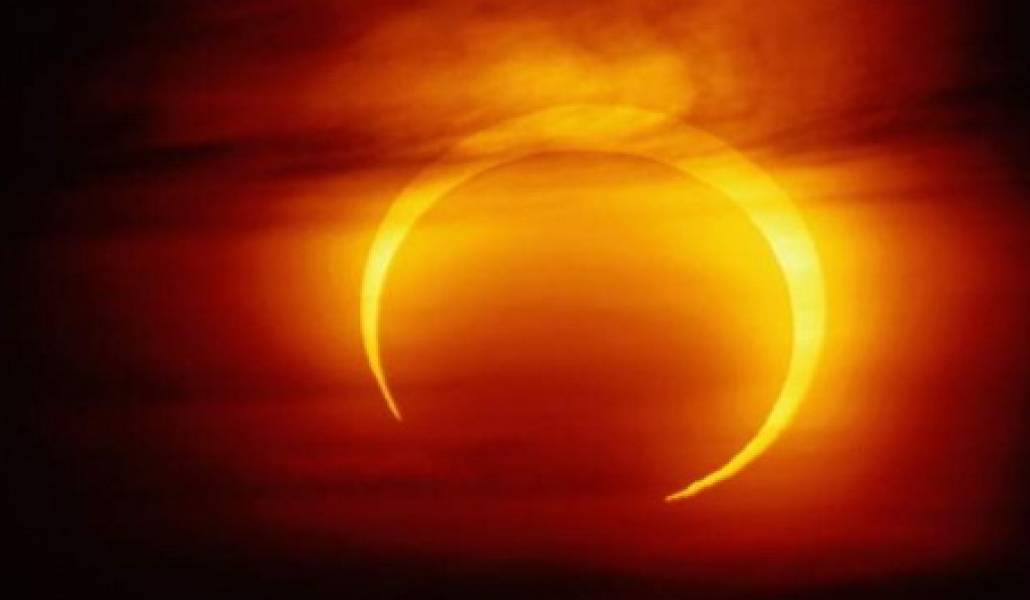
Many in Armenia were unable to watch the March 20 solar eclipse as heavy clouds covered the sky thwarting stargazers’ watch the spectacular phenomenon, said Co-Chairman of the Armenian Astronomical Society (ArAS) Areg Mikaelyan. In the past solar eclipses caused panic among people: humans have been frightened and fascinated by the moon hiding the sun since ancient times. The first solar eclipse is said to have occurred in 585 BC in the middle of a battle between the Lydians and the Medes. They promptly ceased fighting and signed a peace treaty. A solar eclipse occurs when the Moon passes between Earth and the Sun, thereby totally or partly obscuring the image of the Sun for a viewer on Earth. A total solar eclipse occurs when the Moon's apparent diameter is larger than the Sun's, blocking all direct sunlight, turning day into darkness. Mr Mikaelyan says solar eclipses do not cause health problems or dangerous consequences as people generally believe. “It is purely a psychological problem,” he says. The astronomer says a total solar eclipse lasts longer than a partial eclipse and is a rare phenomenon in Armenia. “A total solar eclipse will occur in the 22nd century but it will not be something strange or terrifying,” he said adding that the next partial solar eclipse will occur on September 13.