What happens, when person’s sexual orientation is revealed in army (video)
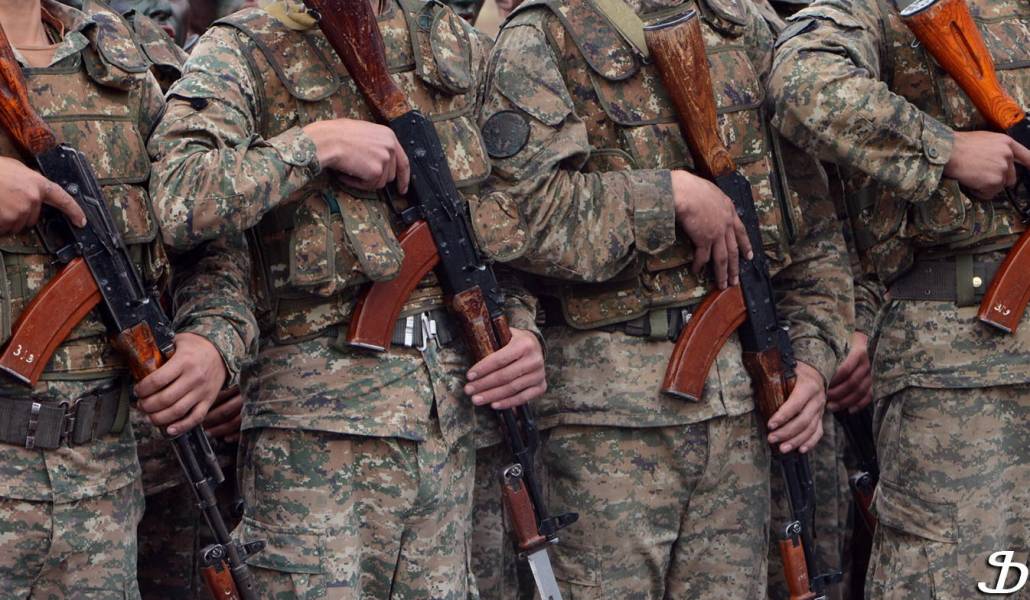
Intolerance towards the sexual minorities is expressed most of all in the force structures. According to the studies, there is discriminated attitude in 100% of cases. “In the army after the revelation of the sexual orientation of a person, he is subjected to physical violence, individual or group sexual abuses, homosexual people are singled out from the fellow servicemen; they are given plates with special sign,” says Nare Hovhannisyan, representative of “New generation” NGO. According to the study of “New generation” NGO, the situation is more complex, when the rights of the LGBT people in prisons are voiced. “In prisons they are abused as people providing sexual services.” People with different sexual orientation prefer not to speak about their sexual orientation even in their families. “When they voice it, they are forced to leave their home, deprived of the right to communicate with family members,” says Nare Hovhannisyan. Religious organizations are also not inclined to open their doors wide in front of people, who voice about their sexual orientation. “Often they try to treat LGBT people, and often they are deprived of the right to enter churches.” There is intolerance also by the media outlets. Only 20-25 % in their publications maintains neutral information. The topic was actual before the Constitutional changes. “60-70 percent of materials contain negative attitude, expression of hate speech, human rights violations addressed to LGBT community representatives,” says expert Nane Bagratuni. Ambassadors of Germany and Czech Republic to Armenia are also aware of violations of rights of sexual minorities. Coming to Armenia in 2012, Petr Mikyska was surprised: “Coming to Armenia in 2012, I was simply shocked by the situation here, explosions, shots against sexual minorities. But officials’ reaction in negative sense is more unacceptable. I examined Armenia’s legislation, and it turned out that your country ratified all the international conventions, but they simply remained on paper here,” says Ambassador of Czech Republic to Armenia. Ambassador of Germany to Armenia Matthias Kisler adds, “The viewpoint of the society is not easy to change. For example, in Germany until 1969 sexual intercourse between met was prohibited. But it doesn’t mean that the process of admitting them as a full member of society will take long also in Armenia.” In this issue diplomats stress the role of media outlets, which shouldn’t disseminate hate speech, but should contribute to tolerance and social solidarity.