Low oil prices hurt economies of emerging nations
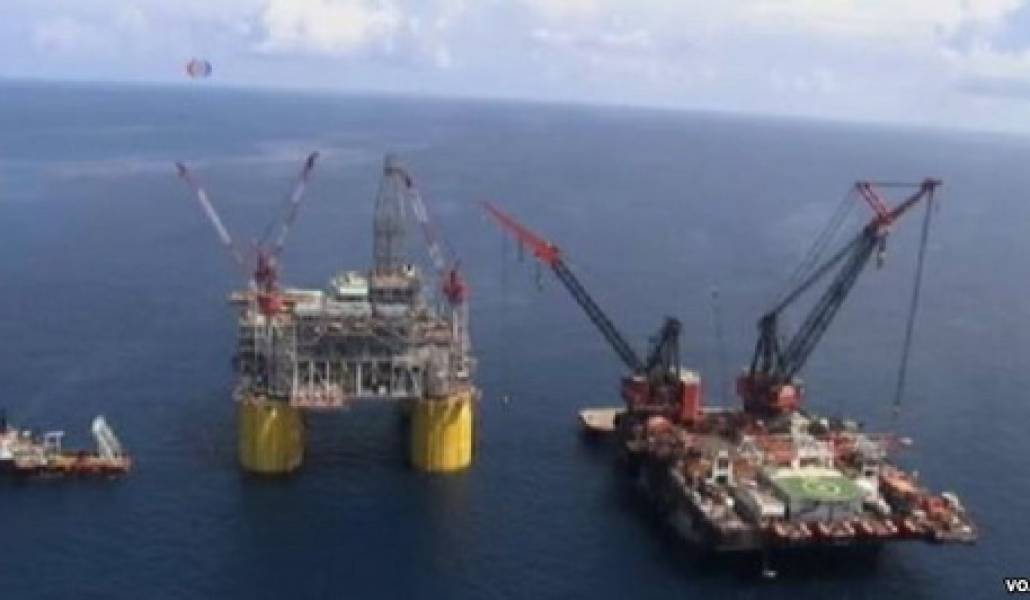
Oil prices have never been so low in the United States as in the last ten years. The lower oil prices have been a boon for oil importers and consumers, Voice of America reports. Average U.S. gasoline prices have now fallen below 53 cents per liter – an early Christmas present for U.S. motorists who had been paying $50 to fill their tanks, but now can fill the tank for about $37. Experts and investors say low oil prices are likely to continue hurting energy companies and the economies of emerging nations that depend heavily on crude oil exports, even though prices have been rising for the past few days. Oil prices had been at an 11-year low but started to rise after a report this week said U.S. inventories of crude dropped more than analysts had expected. The change in the balance between supply and expected demand pushed up crude prices, but they're still well below $40 -- drastically lower than the $110 a barrel seen 18 months ago. “It amounts to a $115 billion boost to the U.S. economy -- or a yearly savings of $555 for every motorist,” said Robert Sinclair, spokesman for the U.S. auto club called AAA (American Automobile Association). “We think it’s something that is going to continue, plenty of crude oil supply still remains. Crude oil futures are pointing to even lower prices as we go forward in the next month or so -- so we could see prices drop another 25 or 30 cents in the next month,” Sinclair said. “For oil-producing countries, the price declines have been bad news,” economist C. Fred Bergsten told the HasthtagVOA program. “The Russians lose, the Saudis lose, the Venezuelans lose, U.S. oil shale producers lose; but that is more than offset by the net reduction in consumer costs,” Bergsten said. Because most commodities are priced in U.S. dollars, some blame the higher exchange rate for price declines. But analyst Peter Cardillo of First Standard Financial said faltering demand and growing supply are far bigger factors. "If you have lower demand on a global scale, and then you have overproduction from producing nations, it's obvious that you're going to have a crash in oil prices, and that's exactly what's happened," Cardiollo said in an interview with VOA in New York. New projections from both the World Bank and International Monetary Fund suggest prices will fall further – to as low as $20 a barrel in 2016. Details are available here