Neither war, nor peace: Which side does not want peace in the region? (video)
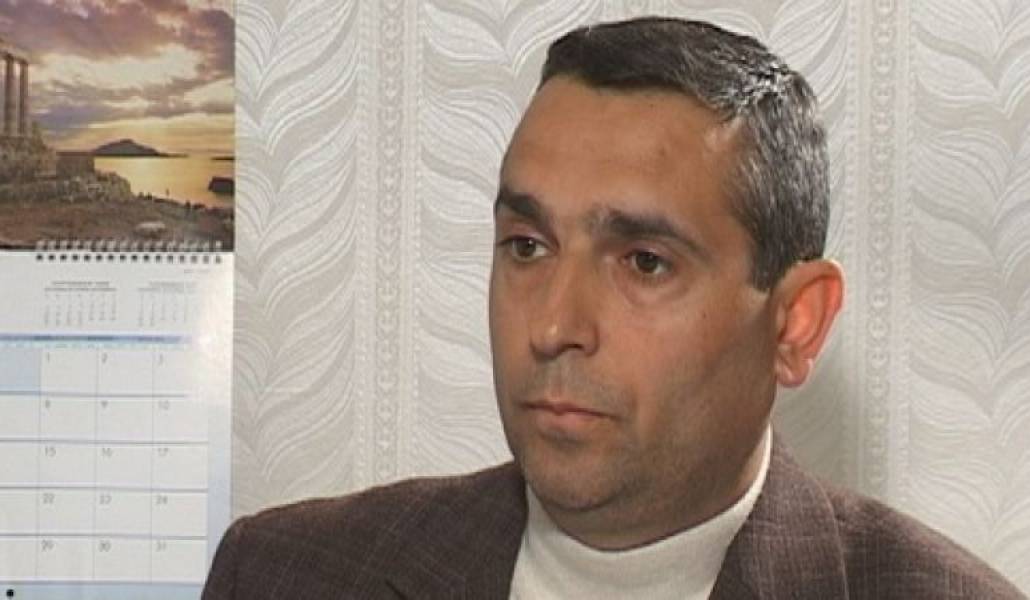
The Bishkek Protocol, a provisional ceasefire agreement signed between representatives of Armenia, Nagorno-Karabakh, Azerbaijan with Russia’s mediation in the Kyrgyz capital of Bishkek on May 5, 1994, entered into force on May 12, 1994. However, the agreement did not bring lasting peace to the conflicting nations. Russia helped the sides sign the document but it could not broker a durable solution to the Karabakh conflict. “Azerbaijan can in no way reconcile itself to the current situation. They are always trying to change the status quo. They want to sign an agreement that would stem from their interests, but it is impossible,” says Masis Mayilyan, a former foreign minister of the Nagorno-Karabakh Republic. Another obstacle preventing establishment of lasting peace is the interest of other countries that have a dominant role in the Caucasus region. Although the Bishkek ceasefire agreement did not bring permanent peace to the region, it ended large-scale military operations. Shooting incidents and acts of sabotage would have been more frequent and more violent in the area, if the ceasefire agreement was not reached in 1994.