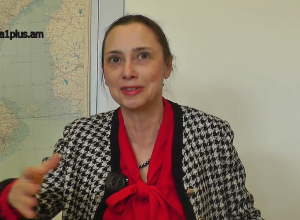
Armenia comes first among countries with least healthy diets (video)
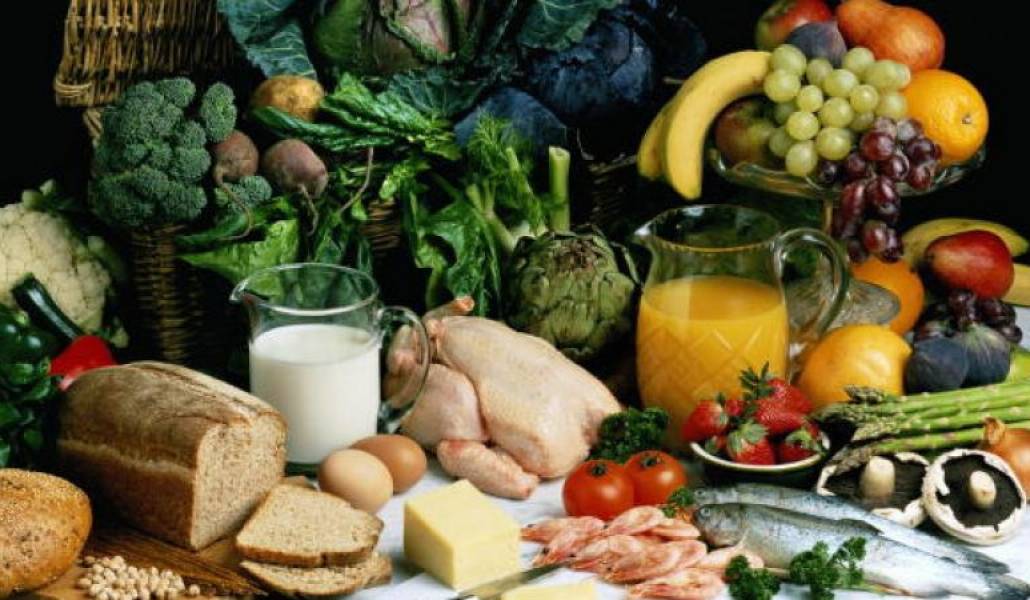
Armenia has been ranked among the least healthy countries globally, according to the study published in The Lancet Global health journal. The study assessed the quality of diet in 197 countries, covering almost 4.5 billion adults, 90 per cent of the global population. The study, which assessed the quality of diets around the world, found a rise in consumption of fruit and vegetables worldwide. But this rise was outpaced by an increase in the consumption of junk food. This analysis was performed by the Global Burden of Diseases Nutrition and Chronic Diseases Expert Group (NutriCoDE). Armenia tops the list of the countries with the least healthy diets. Several low income countries, such as Chad and Mali, scored the highest for healthy foods. “We, Armenians, do not know what we are eating, there is no product differentiation,” says Babken Pipoyan, Chairman of the Informed and Protected Consumer NGO. He says Armenia appeared among the countries with the least healthy foods because of the overuse of carbonated drinks and processed meat. At the same time, Mr Pipoyan stresses that people in Armenia live in such awful conditions that many cannot afford to buy healthy food. “It is natural that a poor man cannot buy seafood in Armenia,” he says. Mr Pipoyan states that what is sold in stores under the name of ‘diet food (or dietetic food)” is a rough violation of the law. The Ministry of Health continually says that no manufacturer has applied to the agency with a request to register their product as ‘a dietetic product.’ Another problem is that there has been a lack of iron in dairy products since 2005. The products sold in stores and shops bear the inscription “dry milk” which is not helpful to a human organism. Babken Pipoyan says neither the Ministry of Health nor the State Service for Food Safety has referred to the problem. “At least they could have said that the information is exaggerated, but they remain silent,” he says.