U.S. and its allies consider military steps in Syria
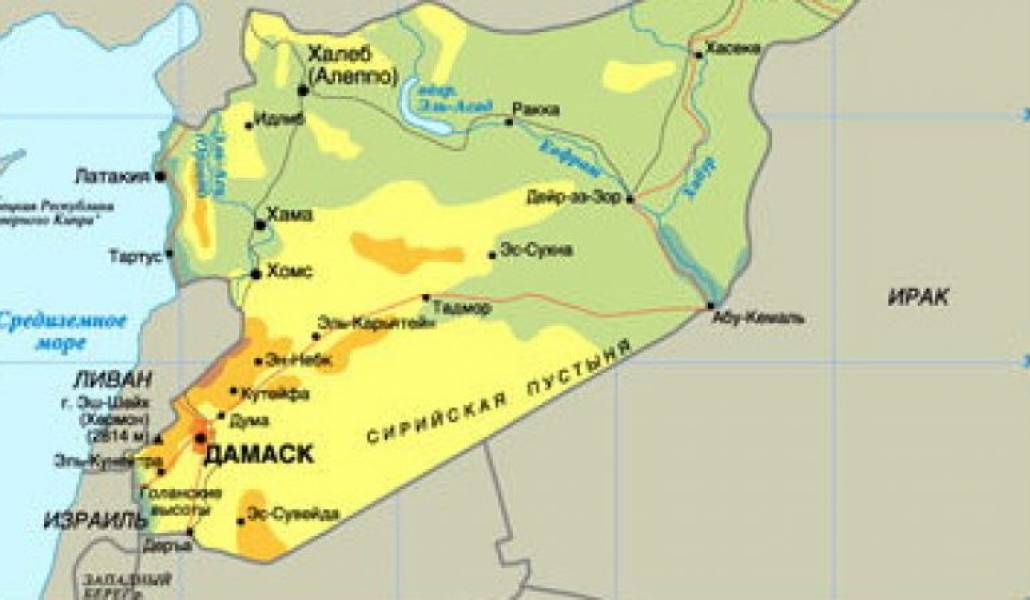
The Obama administration and its allies and international partners have begun serious discussions about potential military involvement in Syria, even as they continue to press for nonviolent solutions to the carnage there, The Washington Post writes.
Possibilities include directly arming opposition forces, sending troops to guard a humanitarian corridor or "safe zone" for the rebels, or an air assault on Syrian air defenses, according to officials from the United States and other nations opposed to Syrian President Bashar al-Assad.
But the governments remain deeply divided over the scope of any intervention, how and when it would happen, and who would participate. With Russia still opposed to a U.N. mandate, many question the legitimacy of any military options under international law.
U.S. officials say their strategy remains focused on humanitarian aid and organizing the Syrian opposition. But hopes are fading that the opposition will provide a united front sufficient to merit international recognition, as happened in Libya, or that Assad can be persuaded to yield.
As Syrian forces launched a new assault Saturday on the northern region of Idlib, Assad repeated his insistence that the year-long uprising was the work of outside extremists. No political dialogue could succeed "as long as there are armed terrorist groups operating and spreading chaos and instability," Assad told visiting U.N. and Arab League envoy Kofi Annan on Saturday, according to Syria's state news agency.
A U.N. statement said that the talks were "candid and comprehensive" and that Annan would meet with Assad again on Sunday.
At an Arab League meeting in Cairo, Russian Foreign Minister Sergei Lavrov insisted that "we're not protecting any regime." He said Russia was safeguarding "international law" rather than "looking for a special prize or geographic interest," an apparent dig at those pushing for intervention in a country that has been Russia's firmest ally in the Middle East.
Qatari Prime Minister Hamad Bin Jasim al-Thani told the Cairo gathering that "the world's patience and our patience has run out." The Saudi Arabian foreign minister, Saud al-Faisal, dismissed the prospect of more "hollow resolutions and... spineless positions," al-Jazeera reported from Cairo.
More than 1000 oppositionists have died in Syria since the start of the unrest.