Being a woman: those, who don’t keep silent, will even be taken to psychiatric hospital (video)
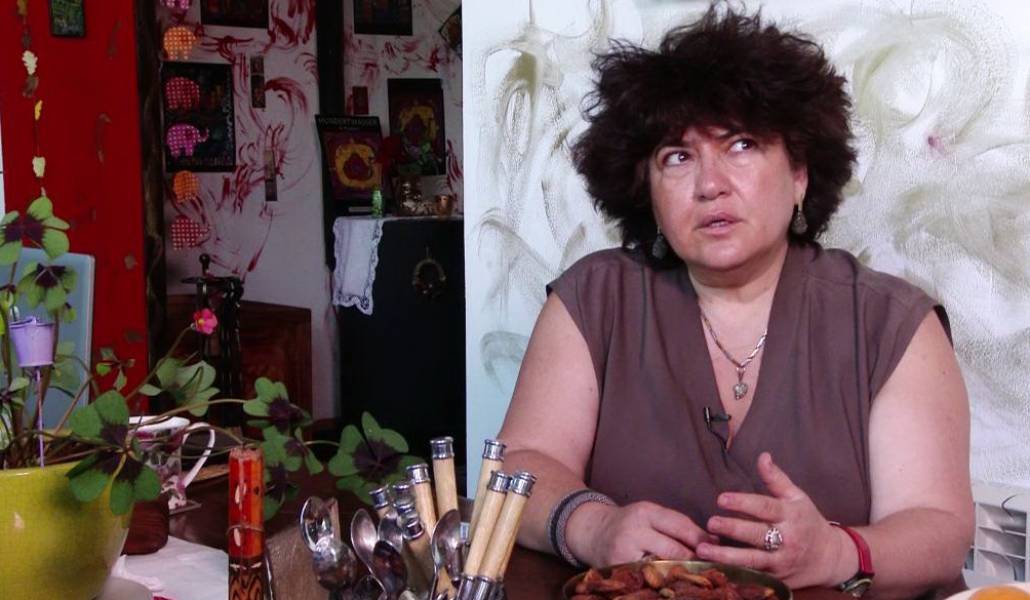
Armine Arakelyan carried European values still before Armenia’s independence.
She started human rights defense from faraway Rwanda, where she was sent by the United Nations Organization a few months after the genocide in June of 1994.
Everywhere in the capital city of Kigali, especially in the Christian churches, there were corpses of Tutsi minority.
“Do you know, Kagame, those powers, Tutsi, when they came to power, they to some extent intentionally didn’t remove the corpses especially near the churches, as when the massacres began, women and children went and found shelter in the churches? And the churches opened the doors and most of the massacres happened in the churches. A 9-year-old boy killed his mother, as his mother was Tutsi,” says Armine Arakelyan, founder of the Institute for the Democracy and Human Rights, specialist in international law.
 Armine, who after awhile moved to Armenia from Rwanda, didn’t see corpses, but saw a society indifferent towards human rights. Here she establishes the Institute for Human Rights and Democracy, conducts observation mission in elections which are falsified. Armine realizes that the problem in Armenia is people’s indifference. The authorities do with them what they want. Soon Armine faces the same problem, too. In the yard of her building in Kentron administrative district, Electric Networks of Armenia (ENA), destroying the garden, wants to build a power plant in 2007.
This was Armine’s and her neighbors’ first victory; the power plant wasn’t built. The next one was Mashtots Avenue. At that time the relations between Armine, who moved from Yerevan to the village of Mughni, and the villagers were escalating. The villagers couldn’t imagine a woman to be not only rebellious but also a defender of rights.
During that period Armine also protests against the constitutional changes initiated by Serzh Sargsyan. The attitude of the villagers towards her becomes unbearable; her house is being stoned almost every day. Armine turns to a desperate and an unusual step; as a sign of protest she comes to Yerevan and enters the Republic Square fountains. The police quickly respond.
“They immediately handcuffed my arms and sat me in the pool,” recalls Armine.
Armine is taken to Nubarashen psychiatric hospital, where she gets the next dose of humiliation. The women in the hospital beat her several times, reminding her that she wrote on Facebook that Vladimir Gasparyan should be neutralized. “Men are watching and enjoying it, and again it is humiliating, they’re watching how women are beating me. I started to mewl because of the pain, thought that maybe they would sympathize me.”
The villagers also kill the puppy belonging to animal lover Armine right in front of her eyes.
The murder of the puppy isn’t disclosed. But after that the villagers don’t bother Armine anymore. Her existence and actions do not raise questions in the village. Instead, life is still troublesome for those, who continue to deal with the issues of women subjected to violence.
Lara Aharonyan, the Head of the Women’s Resource Center, says that they receive messages containing hate speech on social networks. “Very often from fake profiles, sometimes- not. For example, they say ‘we should burn those like you, we should kill you not to let you speak’, or they say ‘you are not from here, get out of here, you don’t know what it is to be an Armenian’”.
Armine, who after awhile moved to Armenia from Rwanda, didn’t see corpses, but saw a society indifferent towards human rights. Here she establishes the Institute for Human Rights and Democracy, conducts observation mission in elections which are falsified. Armine realizes that the problem in Armenia is people’s indifference. The authorities do with them what they want. Soon Armine faces the same problem, too. In the yard of her building in Kentron administrative district, Electric Networks of Armenia (ENA), destroying the garden, wants to build a power plant in 2007.
This was Armine’s and her neighbors’ first victory; the power plant wasn’t built. The next one was Mashtots Avenue. At that time the relations between Armine, who moved from Yerevan to the village of Mughni, and the villagers were escalating. The villagers couldn’t imagine a woman to be not only rebellious but also a defender of rights.
During that period Armine also protests against the constitutional changes initiated by Serzh Sargsyan. The attitude of the villagers towards her becomes unbearable; her house is being stoned almost every day. Armine turns to a desperate and an unusual step; as a sign of protest she comes to Yerevan and enters the Republic Square fountains. The police quickly respond.
“They immediately handcuffed my arms and sat me in the pool,” recalls Armine.
Armine is taken to Nubarashen psychiatric hospital, where she gets the next dose of humiliation. The women in the hospital beat her several times, reminding her that she wrote on Facebook that Vladimir Gasparyan should be neutralized. “Men are watching and enjoying it, and again it is humiliating, they’re watching how women are beating me. I started to mewl because of the pain, thought that maybe they would sympathize me.”
The villagers also kill the puppy belonging to animal lover Armine right in front of her eyes.
The murder of the puppy isn’t disclosed. But after that the villagers don’t bother Armine anymore. Her existence and actions do not raise questions in the village. Instead, life is still troublesome for those, who continue to deal with the issues of women subjected to violence.
Lara Aharonyan, the Head of the Women’s Resource Center, says that they receive messages containing hate speech on social networks. “Very often from fake profiles, sometimes- not. For example, they say ‘we should burn those like you, we should kill you not to let you speak’, or they say ‘you are not from here, get out of here, you don’t know what it is to be an Armenian’”.
 These kinds of threats to female human rights defenders are not extraordinary for the police; police are also subjected to violence, but they do not make any noise.
“Can a policeman be confident that he won’t have any problems tomorrow? Isn’t he revealing crimes? Everything can happen and happens,” says Police Colonel Nelly Duryan, Head of the 3rd Unit of the Main Criminal Investigation Department of Armenian Police.
Naira Smbatyan, who was subjected to domestic violence, succeeded to take her little son, when she ran away from her husband. Instead, her daughters don’t want to have anything in common with her. Her husband’s family members promised that she will never see her daughters again.
“I didn’t know that you can be deprived of your child, when you simply want to save your life. What kind of law is it according to which the one takes the child who manages to do it the first?” says the woman crying.
These kinds of threats to female human rights defenders are not extraordinary for the police; police are also subjected to violence, but they do not make any noise.
“Can a policeman be confident that he won’t have any problems tomorrow? Isn’t he revealing crimes? Everything can happen and happens,” says Police Colonel Nelly Duryan, Head of the 3rd Unit of the Main Criminal Investigation Department of Armenian Police.
Naira Smbatyan, who was subjected to domestic violence, succeeded to take her little son, when she ran away from her husband. Instead, her daughters don’t want to have anything in common with her. Her husband’s family members promised that she will never see her daughters again.
“I didn’t know that you can be deprived of your child, when you simply want to save your life. What kind of law is it according to which the one takes the child who manages to do it the first?” says the woman crying.
 There are a number of organizations in Armenia dealing with the rights of the victims of domestic violence. Lara Aharonyan, Director of Women’s Resource Center, knows such methods of domestic violence against their wives that not only there aren’t injuries, but also women don’t perceive that something is wrong,
“We went to Ghegharkunik, where we were holding women walking campaign in the communities to enter any house, to speak of all this, and, though, there aren’t men in many villages, as they left abroad for seasonal jobs. When we were talking to them, a woman, whose husband is abroad, says ‘yes, he isn’t in the country, but I am very careful, I must stand in front of Skype at concrete hour in order to show what I wear, where I go so that from there he can say whether I can leave in such clothes or not. There are concrete hours in a day, when he calls via Skype. If I am not at home, the consequences may be very bad, I may be subjected to violence, he may beat me, punish me, when he comes back. That’s why I am trying not to leave the house.’ It means that there is control, even when those men aren’t physically present in those communities,” she says.
Police Colonel Nelly Duryan, Head of the 3rd Unit of the Main Criminal Investigation Department of Armenian Police, says that domestic violence is a crime “because of lack of education, disrespect, not understanding each other, intolerance.”
There are a number of organizations in Armenia dealing with the rights of the victims of domestic violence. Lara Aharonyan, Director of Women’s Resource Center, knows such methods of domestic violence against their wives that not only there aren’t injuries, but also women don’t perceive that something is wrong,
“We went to Ghegharkunik, where we were holding women walking campaign in the communities to enter any house, to speak of all this, and, though, there aren’t men in many villages, as they left abroad for seasonal jobs. When we were talking to them, a woman, whose husband is abroad, says ‘yes, he isn’t in the country, but I am very careful, I must stand in front of Skype at concrete hour in order to show what I wear, where I go so that from there he can say whether I can leave in such clothes or not. There are concrete hours in a day, when he calls via Skype. If I am not at home, the consequences may be very bad, I may be subjected to violence, he may beat me, punish me, when he comes back. That’s why I am trying not to leave the house.’ It means that there is control, even when those men aren’t physically present in those communities,” she says.
Police Colonel Nelly Duryan, Head of the 3rd Unit of the Main Criminal Investigation Department of Armenian Police, says that domestic violence is a crime “because of lack of education, disrespect, not understanding each other, intolerance.”
 Mrs Nelly Duryan states that Armenians aren’t much inclined to violence. And it is a matter of culture and traditions. Though, the human right activists report that sometimes traditions are reason for domestic violence. Often violators aren’t satisfied with such an attitude towards their women and children. They make human rights activists target of threats of violence. Zaruhi Hovhannisyan is a victim of such a threat. She says that it isn’t easy in Armenia to deal with the rights of the women subjected to violence.
A Facebook user threatened Mrs Hovhannisyan on the behalf of the nation’s dignity- Turks can see the activities of a female human rights activist and be happy. A man, whose name is Andranik, promises that it will be bad for Zaruhi and her children, if she continues her activities.
Mrs Nelly Duryan states that Armenians aren’t much inclined to violence. And it is a matter of culture and traditions. Though, the human right activists report that sometimes traditions are reason for domestic violence. Often violators aren’t satisfied with such an attitude towards their women and children. They make human rights activists target of threats of violence. Zaruhi Hovhannisyan is a victim of such a threat. She says that it isn’t easy in Armenia to deal with the rights of the women subjected to violence.
A Facebook user threatened Mrs Hovhannisyan on the behalf of the nation’s dignity- Turks can see the activities of a female human rights activist and be happy. A man, whose name is Andranik, promises that it will be bad for Zaruhi and her children, if she continues her activities.
 Violinist human rights activist has three children; and almost at any occasion she receives threats and swear words addressed to her and her family. Her daughter, Arusyak, is also a violinist, and she can understand that it isn’t easy for them to be a son or a daughter of a human rights activist.
“I know that there have been threats addressed to my mother and us; I taught over it, but then I understood that it is my mother’s work and she can prevent it,” says Arusyak.
Female human rights activists today deal with the rights of the women subjected to violence with the round-the-clock regime. The police also respond to the cases of domestic violence with the same regime. On average every year 600 cases of domestic violence are registered in Armenia. Every year this number increases. Until now Armenia doesn’t have a law on domestic violence. At the same time, Armenia hasn’t ratified the international convention on preventing and combating violence against women and domestic violence.
Violinist human rights activist has three children; and almost at any occasion she receives threats and swear words addressed to her and her family. Her daughter, Arusyak, is also a violinist, and she can understand that it isn’t easy for them to be a son or a daughter of a human rights activist.
“I know that there have been threats addressed to my mother and us; I taught over it, but then I understood that it is my mother’s work and she can prevent it,” says Arusyak.
Female human rights activists today deal with the rights of the women subjected to violence with the round-the-clock regime. The police also respond to the cases of domestic violence with the same regime. On average every year 600 cases of domestic violence are registered in Armenia. Every year this number increases. Until now Armenia doesn’t have a law on domestic violence. At the same time, Armenia hasn’t ratified the international convention on preventing and combating violence against women and domestic violence.