How to Counter Disinformation and Manipulative Narratives Ahead of Elections: Sharing Armenian and Estonian Experiences
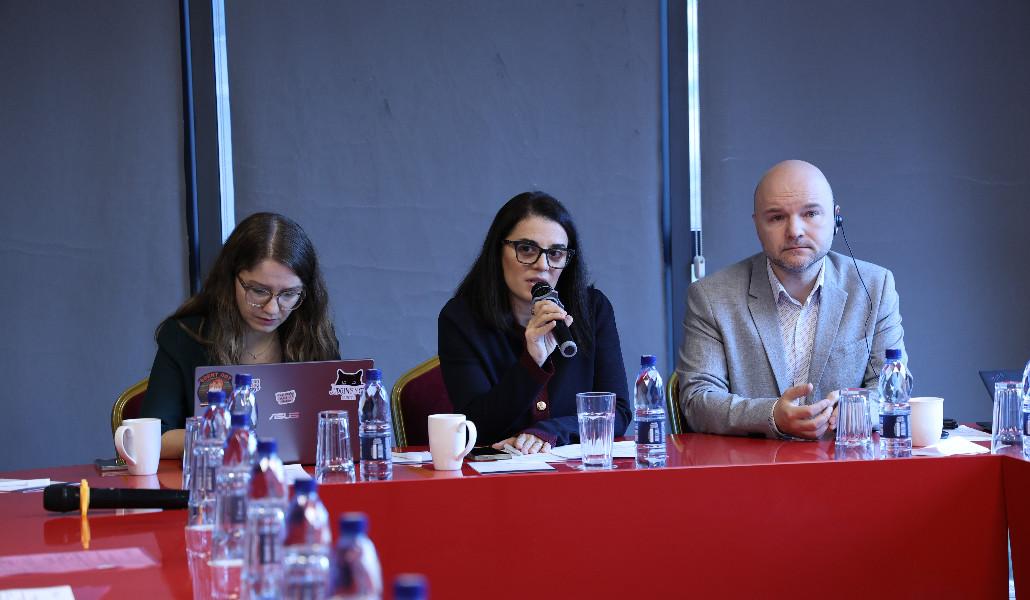
Support A1+!Representatives of Armenia’s media sector and civil society have gathered in Yerevan to learn from Estonia’s experience in analyzing disinformation, studying manipulative narratives, and exposing false content. The capacity-building training, organized by the Public Journalism Club (PJC), also aims to enhance participants’ digital tool application skills, particularly important in the run-up to Armenia’s 2026 parliamentary elections.
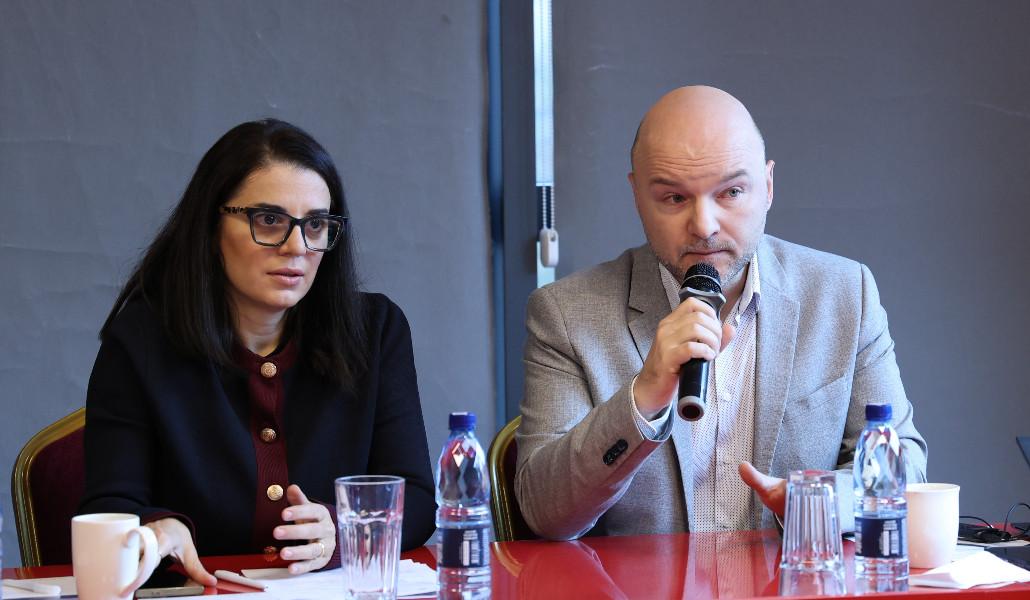
Within the framework of the project “Mapping and Countering Disinformation in Armenia Ahead of the 2026 Elections: Learning from Estonia”, implemented by the Public Journalism Club and supported by the Ministry of Foreign Affairs of the Republic of Estonia, Armenia is hosting Dmitri Teperik, Director and Co-founder of National Centre for Defence & Security Awareness, expert in strategic communication and disinformation analysis.
Together with Armenian fact-checker and researcher Lusine Voskanyan, the Estonian expert will present practical approaches for identifying and analyzing disinformation and manipulative narratives, drawing on international, particularly Estonian experience. The training is designed to help media and CSO representatives strengthen their ability to detect disinformation, reveal underlying narratives, respond more effectively to manipulation, and contribute to safeguarding democratic processes, especially during pre-election periods.
"In an era of information disorder, narrative and future literacy are not just communication skills, they are civic necessities. This event shares valuable insights from Estonia on how the media and civil society can collaborate to promote together social cohesion, combat manipulation and envision shared, democratic futures,” notes Dmitri Teperik.
As part of the project, PJC conducted an analysis of 18 Russian-language Telegram channels with a combined audience of several million to identify narratives circulating about Armenia between May and September 2025.
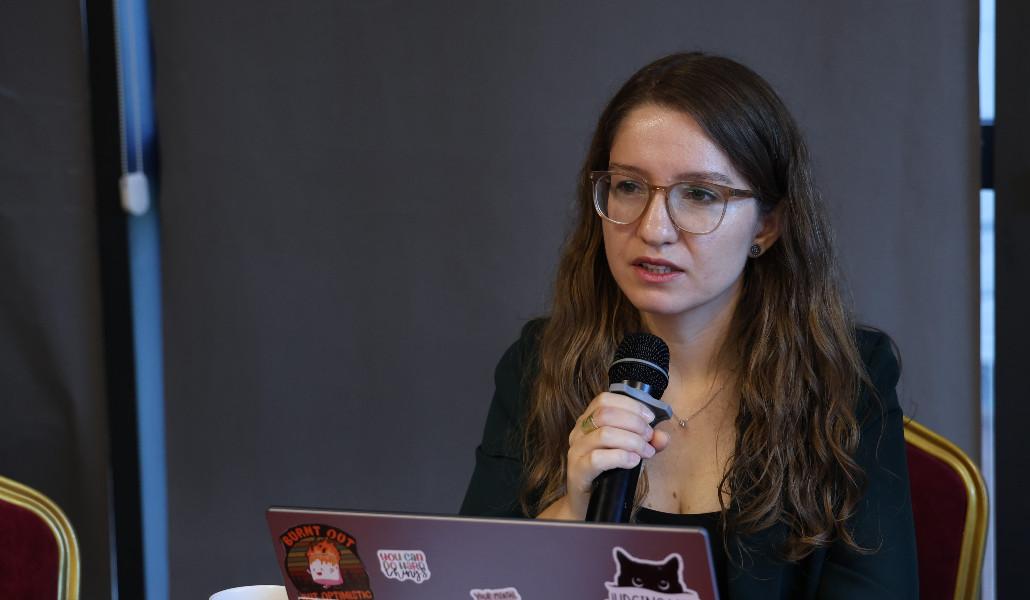
In the first part of the event, the author of the study, Lusine Voskanyan, presented the findings to training participants, as well as about 30 representatives of Embassies, international organizations, media outlets, and CSOs who joined via Zoom. During the selected period, widely circulated narratives claimed that Armenia’s political leadership is under Western influence and “betraying” its traditional ally; that Western programs and funding are supposedly covert interventions aimed at controlling the media and electoral system; and that by signing the Peace Declaration, Armenia is distancing itself from Russia and falling under U.S. and Turkish influence.
Other narratives asserted that actions by Prime Minister Pashinyan’s administration represent pressure on the Armenian Apostolic Church and national identity; that Yerevan is advancing anti-Russian activities through pro-Western and pro-Turkish initiatives; yet pro-Russian forces still have the ability to counter these developments.
The study is still ongoing. It will continue through November to assess how these narratives have been reflected in Armenian media and what impact they may have on public opinion. The full report will be published soon.
“Fighting disinformation is essential for keeping democracies strong and resilient. Today’s media platforms aren’t just spaces for sharing information, they’re also powerful tools that can shape opinions and manipulate audiences. Gaining a deeper understanding of the narratives spread by Russian Telegram channels can help counter propaganda, and limit their impact on public opinion and policy decisions,” says Lusine Voskanyan.
This initiative contributes to strengthening cooperation between Armenian and Estonian experts, fostering knowledge exchange and professional collaboration.
“Global challenges require collaborative solutions. Estonia’s experience in countering disinformation provides valuable insights for Armenia as we strengthen our strategic communication capacity. Together with our partners, we aim to build a more informed, resilient, and engaged society capable of withstanding information manipulation,” notes Seda Muradyan, President of the Public Journalism Club.
The event is being held within the framework of the project “Mapping and Countering Disinformation in Armenia Ahead of the 2026 Elections: Learning from Estonia”, implemented by the Public Journalism Club and supported by the Ministry of Foreign Affairs of the Republic of Estonia.