Constitution couldn’t have prevented events of March 1
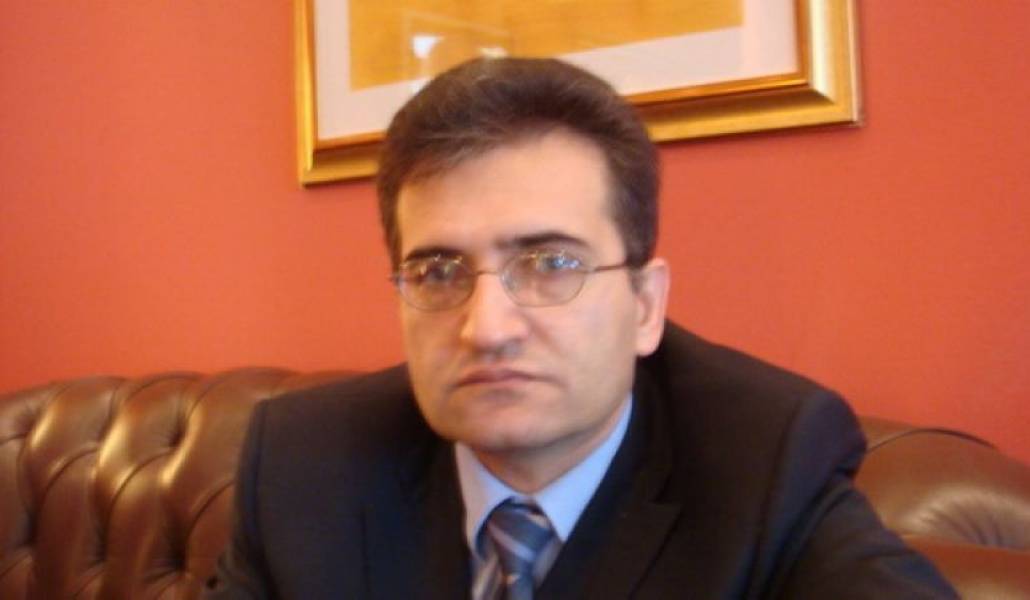
The 16-year old RA Constitution corresponds to the standards of democracy, says constitutional expert Vardan Poghosyan, adding that the discrepancy between the content of the fundamental law and the reality is a different story.
"Eliminating that discrepancy is the primary imperative for establishing constitutionality in the country," says Poghosyan.
The constitutional expert says the first imperative for implementing what is written in the RA Constitution is holding free and fair elections, which will lead to the fulfillment of the remaining demands.
"The government is the first to implement what is written in the Constitution. If there is no trust in the government and the fact that the country's government is leading a policy that is adequate to the political will, it is hard to assume that the Constitution will be implemented no matter how well the text is written."
Vardan Poghosyan places importance on the feasibility of the Constitution especially in the court system. "The courts are still "de facto" dependent on the government and corruption rules in courts. If the people don't trust the court, which is the main body that institutionally guarantees human rights protection, it is hard to speak about real human rights protection."
The constitutional expert doesn't believe there is a need for constitutional reforms because the most important thing is to implement what is written.
Vardan Poghosyan says he is not sure how likely and how realistic it is to change power through the Constitution since that is a matter of politics.
The constitutional expert also touched upon the HAK-authorities dialogue and noted that there are certain attempts that have led to pragmatic results.
By saying "pragmatic results", Vardan Poghosyan, means that Armenia no longer has people deprived of liberty for their political views and activities connected to the events of March 1. The expert adds that the effects of the events of 1-2 March 2008 still haven't been eliminated.
"Elections must serve as a means for solving political conflicts, not create problems. If we're going to see the same events take place after every election, we won't get out of the labyrinth."
Could the RA Constitution have prevented the events of March 1? In response, Poghosyan said: "The Constitution couldn't have prevented them because the people exercise what is written in the Constitution. There was no political tolerance in the country, and unfortunately, the authorities decided to suspend the rallies by force."
The Constitution gives opportunity for snap elections
According to the constitutional expert, if the main topic for the opposition-authorities dialogue is snap elections, the dialogue will be in a labyrinth.
"If those elections are held through the methods that have already been applied, nobody will benefit from that, including the opposition. They shouldn't be talking about the date of elections, but should reach agreements on holding free and fair elections."
The constitutional expert is certain that the authorities won't hold snap elections.
According to Vardan Poghosyan, from the legal angle the RA Constitution provides the opportunity for snap elections.
"From the legal angle, the grounds for holding snap elections are stated in article 74 of the Constitution. The Constitution prescribes the disbandment of the National Assembly if the country is in a labyrinth, or if the NA is inactive, can't carry out its functions and doesn't take a decision on the draft law presented by the government within three months."
Poghosyan is certain that the authorities are also concerned about the current state in the country. "These developments may leave bad traces on the authorities in domestic and foreign affairs."