Didn’t count the rich?
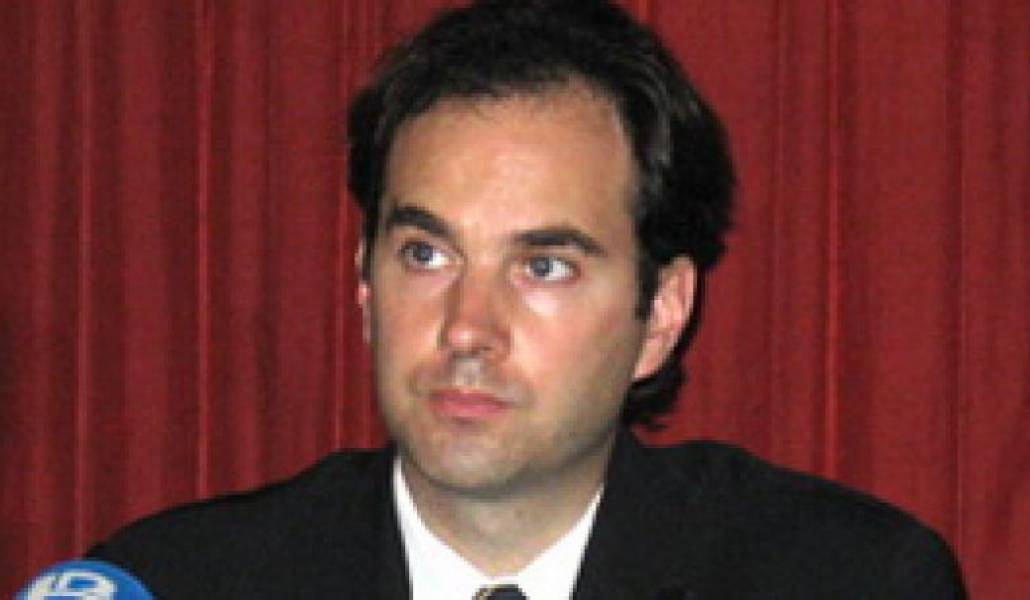
Interest rates for loans are quite high in Armenia and have to be reduced, Resident Representative of the International Monetary Fund in Armenia Guillermo Tolosa told "A1+".
According to the IMF representative, a sustainable policy on loans and exchange rates should become a supporting base for the reduction of interest rates.
Guillermo Tolosa indicates the need for considerable reforms in the investment sphere as well.
"Investors should be able to easily communicate with taxing officials when they come to Armenia," says Guillermo Tolosa, underlining that the taxing policy should also be open to RA citizens.
Touching upon the inflation, Tolosa noted that the Armenian government is taking certain steps, but the price changes in the global market are having the main influence.
"Of course, this doesn't mean that there are no internal factors for certain products which also play a role in determining the prices." According to him, the vulnerable layers of society should receive help in case of inflation of foods.
Guillermo Tolosa also touched upon the Gini coefficient in Armenia, which shows the distribution of incomes between the rich and the poor in society. If the coefficient moves toward 0, the incomes are distributed equally. If it moves toward 1, they are extremely unequal.
According to the IMF representative, the Gini coefficient in Armenia doesn't reach 1, meaning there is a comparatively equal distribution of incomes. With this indicator, Armenia is like European countries, but a large part of Armenian citizens don't feel that.
"It is possible that the wealthiest citizens were not included in the survey and there are many grounded reasons why that is the case," says Guiermo Tolosa, adding that one of the reasons is because wealth is concentrated in the hands of a small number of individuals in Armenia.
Tolosa says the second reason is that conducting surveys is very expensive, not all members of the society are included and those who are not included are very possibly the wealthiest.