Anti-government protests continue in Arab world
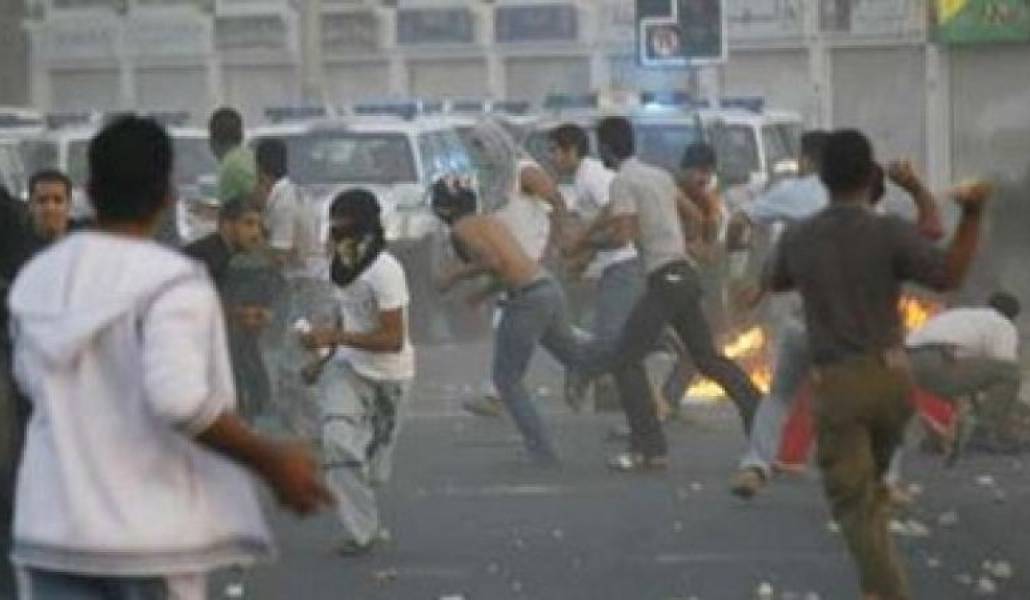
Anti-government protests continue in the Arab countries drawing the attention of the international community.
Large protests have continued overnight in Libya, with demonstrators demanding the resignation of Muammar al-Gaddafi who has been ruled the country for 42 years, Al Arabiya TV Company reports.
On February 17, Libyan security forces killed at least 24 people in a violent crackdown on anti-regime demonstrations during a "Day of Anger" against Gaddafi.
Confrontations between security forces and protesters started on the eve between in the cities of Benghazi and al-Bayda which left 19 people killed and about 40 wounded.
Pro-government supporters also were out on the streets early on Friday, according to CNN. The pro-Gaddafi crowd was seen singing as it surrounded his limousine as it crept along a road in the capital packed with people carrying his portrait. Fireworks lit up the night sky.
Tens of thousands of protesters went out to the streets in Bahrain to demand more political freedom and jobs inspired by revolts in Egypt and Tunisia.
In one mosque, followers of the top Shia cleric chanted "victory for Islam" and death to the ruling family, BBC reports.
Earlier, protesters attended funerals of three of victims killed in Thursday clashes between police and the oppositionists. Some said they were ready to die for change.
Military equipment and troops were deployed in Bahrain's capital ahead of the funerals.
At least four people were killed and over 200 injured when policemen stormed the camp of protestors in the central square of Manama.
Today the authorities also banned gatherings in the streets and set checkpoints in the streets.
Bahrain is ruled by a royal family and a Sunni Muslim elite, but has a Shia majority who make up the bulk of the protesters.
The situation is also tense in Yemen where security forces used tear gas and batons to disperse thousands of anti-government protesters calling for President Ali Abdullah Saleh to step down. More than 100 people were injured during clashes between pro- and anti-government activists in different parts of the Sanaa.
The Arab world has been shaken over the past two months by demonstrations over economic hardship and corruption that drove Tunisian President Zine el Abidine Ben Ali from office on Jan. 14 and forced Egypt's Hosni Mubarak to resign and cede his powers to the country's armed forces on Feb. 11.