Mubarak took flight?
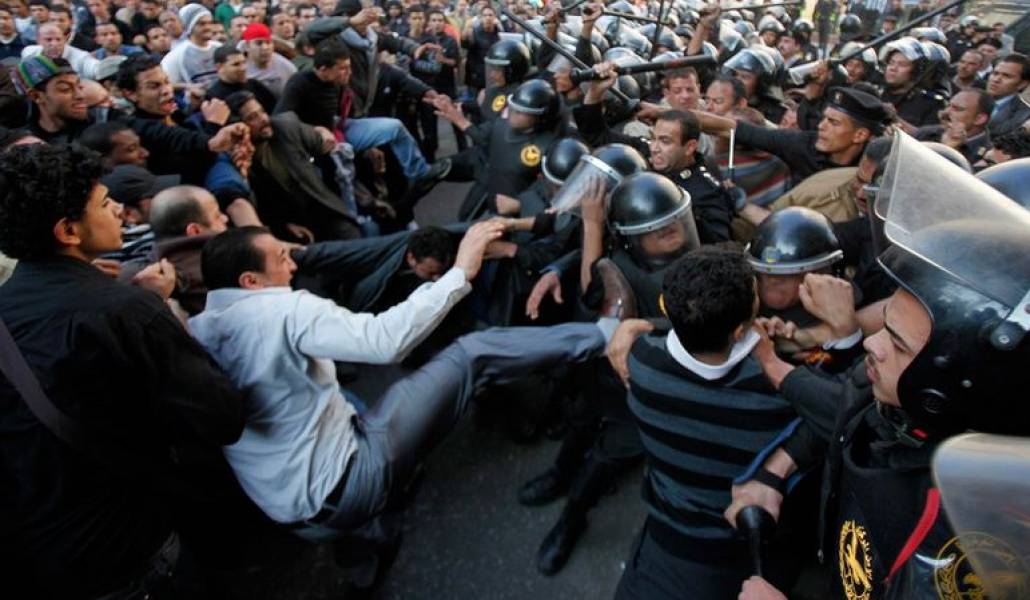
Regimes across the Middle East are bracing for a new wave of region-wide protests called by pro-democracy opposition groups, which governments fear could have more far reaching consequences as a result of events in Egypt.
Tension is mounting in the Egyptian capital Cairo ahead of fresh protests in response to President Mubarak's announcement he will not step down. Crowds are gathering outside the presidential palace, Tahrir Square and the offices of state TV in the city. Mass protest marches are expected to get under way following Friday prayers at midday. In a televised speech on Thursday evening, Mr Mubarak said he planned to stay in office until September's polls, but pledged to hand over some powers.
He again refused to give in to demands of tens of thousands of anti-government protesters who took to the streets for a 18th straight day to demand his immediate resignation.
In his speech, Mr Mubarak said he would pass some of his powers to his vice-president Omar Suleiman. But the crowds in Tahrir Square reacted with fury, yelling "be gone" and waving their shoes in acts of defiance.
Immediately after Mubarak's speech, Vice President Omar Suleiman called on the protesters to "go home" and asked Egyptians to "unite and look to the future." He called on Egyptians not to listen to radio stations and different channels which aim to defame Egypt.
After Mubarak's speech, protest organizers called for the army to take action to oust him, and vowed increased protests on Friday. Around a 1,000 marched on the state television headquarters and President's palace, planning to camp for the night and vowing to continue their campaign.
According to some non-official sources, Mubarak has already left the country. Others state that Mubarak left Cairo for Sharm el-Sheikh.