Will Protocols revive?
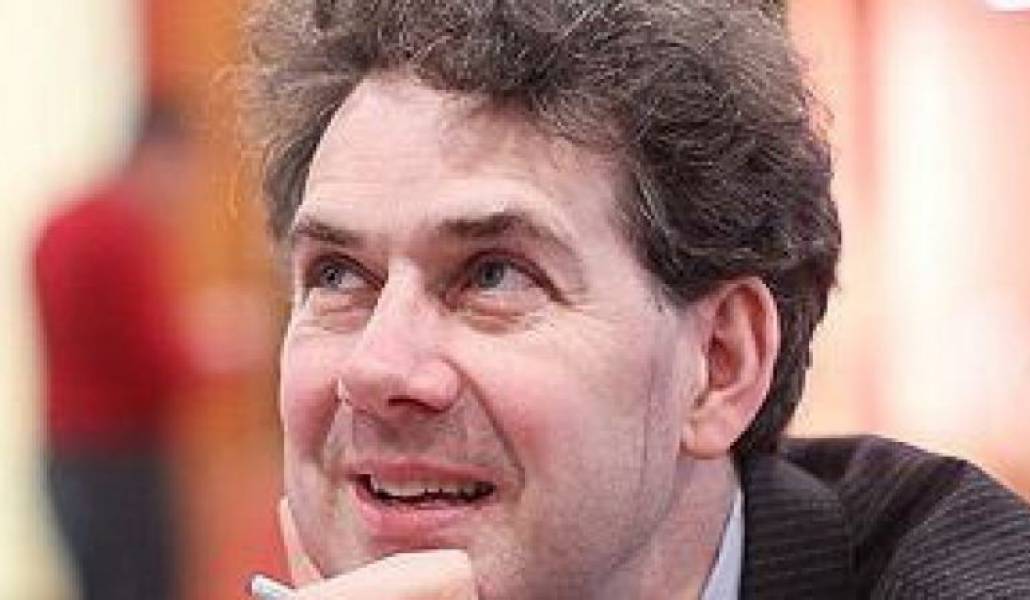
The Armenian-Turkish Protocols cannot "die out" a year after their signing in Zurich, Switzerland, says Thomas de Waal, a Senior Associate for the Caucasus at the Carnegie Endowment for International Peace in Washington.
In his report "Armenia and Turkey: Bridging the Gap" Thomas de Waal speaks about the Armenian-Turkish Protocols saying the document can be revived after Turkey's general election in early summer of 2011.
"If the process is to get back on track, all involved parties, including the United States, should set their sights on longer-term goals several years hence and "make haste slowly" toward them.
Turkey is claiming a formal role for itself in the Karabakh peace process. Turkey should be sensitive to this. If Ankara is too vocal on the Karabakh issue, it runs the risk of only further alienating the Armenians and making them more intransigent. The Turks would be more helpful if they stated publicly that they have no pretensions to being a mediator, that they support the current Minsk Process, and that their definition of "progress" on Karabakh is a flexible one," writes the author.
According to Thomas de Waal, all sides would win if Armenia were to agree to open up communications and rebuild shared infrastructure with Nakhichevan in tandem with the opening of the Armenia-Turkey border.
"If Armenia, which has a surplus of electricity, were to transmit power to areas of eastern Turkey across the closed border, many would benefit: the Armenian economy, the Russian company that owns the Armenian grid, and ordinary people in power-starved regions of eastern Turkey," he writes.
The report is available at http://carnegieendowment.org/files/armenia_turkey.pdf