It was a mistake in diplomacy
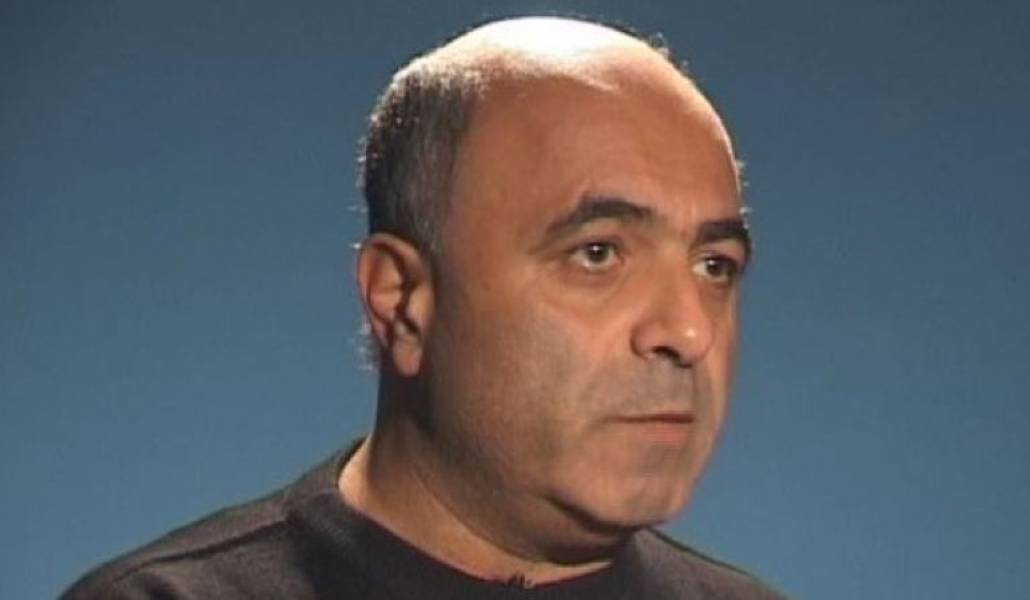
"The statement by the presidents of the OSCE Minsk Group Co-Chairing countries did not bring any fundamental change to the settlement of the Karabakh conflict," says political scientist Yervand Bozoyan.
According to him, the only thing that was new was the different interpretations of the English and Russian translations and that is a little troubling.
"Armenian diplomats still have a lot to do," says the political scientist, giving a negative evaluation of Armenian Foreign Minister Edward Nalbandyan's quick positive assessment.
"He had to study and give a more differentiated evaluation, especially since there were flaws in the translations," says the political scientist. According to Bozoyan, the lack of an evaluation by the Azeri Foreign Ministry doesn't show that they have weak diplomacy, but that they are weighing it out.
"Such statements are apparently guidelines for development of the process and with this, the intermediaries are trying to break down the tense atmosphere in the region," says the political scientist.
As far as the possibility of a new war is concerned, the political scientist notes that the threat has clearly grown in the past two to three years.
"It is clear that the status quo doesn't favor Azerbaijan and the Azeri are trying to do everything they can to cause threats and pressure the Armenian side and the OSCE intermediaries," says Bozoyan who believes that there will be more forceful attacks, but the Azeri side will avoid starting a extensive war.
Yervand Bozoyan doesn't understand Nagorno-Karabakh's passivity. "It is due to the fact that Armenia has been leading negotiations for Nagorno-Karabakh for the past couple of years," says Bozoyan, noting that the Nagorno-Karabakh authorities are only involved in solving the country's social issues and seems that they weren't expecting such a majeur situation.
"The Artsakh authorities are not capable of taking decisions on their own in a short amount of time," says Yervand Bozoyan.
The political scientist believes that though Karabakh is not taking part in the negotiations, the situation must change through more evaluations and perhaps coarser positions and demands that will support the Armenian side.