These are the same Turks
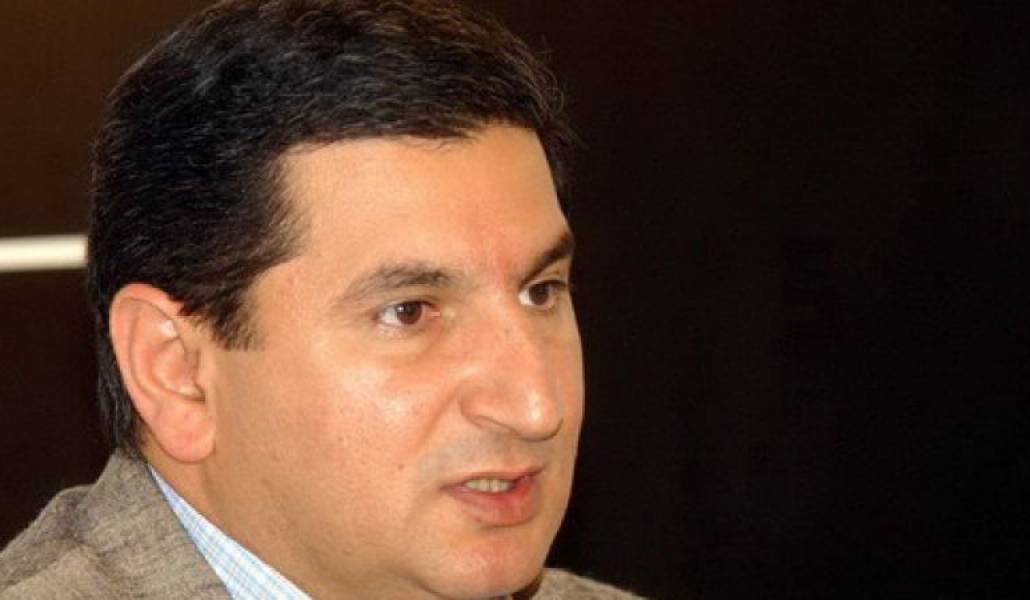
"Armenia is conducting a fearful and cautious policy," said Ramkavar Azatakan Party (HRAK) leader Harutyun Arakelyan.
He views the European Parliament's recent resolution as another attempt of pressure.
"Armenia has always been pressured by outer forces. As a UN member state, Armenia must spare no effort to use the opportunities envisaged by international law. Only after Armenia is guided by the norms of international law in relations with Azerbaijan and Turkey and shifts the Genocide issue from the political domain to the international level, will the USA, Russia and European Union change their stance towards Armenia," says Mr. Arakelyan.
The HRAK leader thinks Armenia should speak to the international community in their language and by their laws.
"As long as we sit at a negotiation table with criminals like Turkey and Azerbaijan and "pressurize" Turkey by recognizing the parliaments of other countries and denouncing genocide, similar resolutions and pressures are natural against a country [Armenia] which lacks resources and market."
Harutyun Arakelyan thinks Armenia will gain nothing from the suspension of the Armenian-Turkish Protocols.
"As soon as international winds start blowing, the protocols will appear on the parliament's agenda, and our deputies will ratify them in a flash.
The danger is not eliminated. Turkey has proved the world that it is a secular country seeking friendly relations with its neighbours and EU membership. Armenia's weak point is "its inner" Turks," said Arakelyan meaning the propagandists who state that present Turks are different from the ones who committed the genocide.
"This approach was put into circulation before the genocide. But we must understand that there is no difference between them. Today's Turks must repay for the atrocities of their forefathers. An U.S. prosecutor said in Nuremberg that Hitler did not take his crimes to the grave and each German must repay for his misdeeds. Similarly, we should have a Nuremberg; we must create a separate court under the auspices of The Hague, similar to the International Criminal Tribunal for Rwanda," Arakelyan concluded.