Serzh Sargsyan's interview with BBC
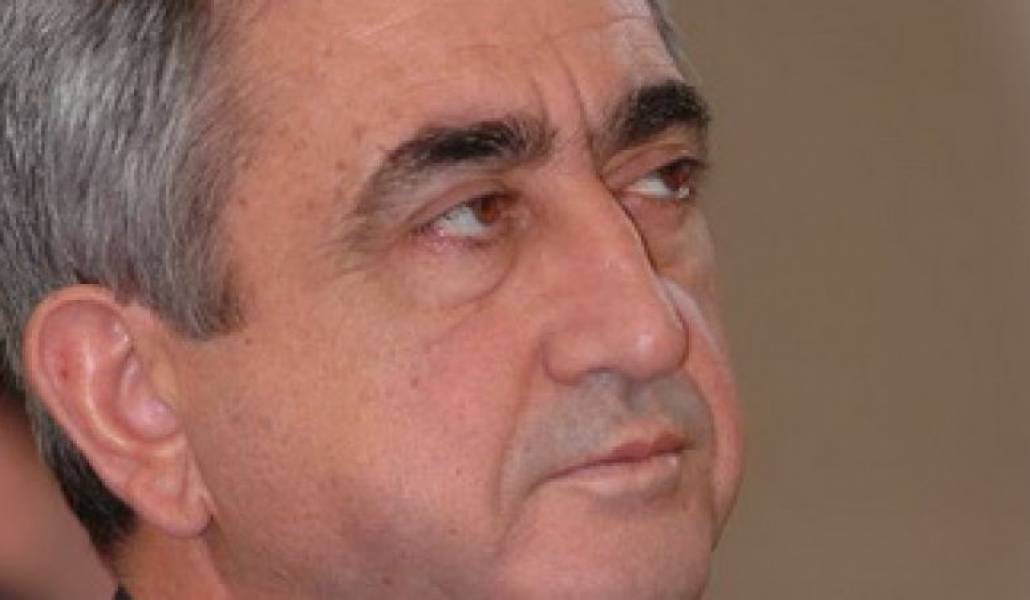
BBC: Mr. Serzh Sargsyan will you attend the return match in Turkey?
Serzh Sargsyan: The question has two answers. The fist answer is as follows. It's not important whether I'll visit Turkey or not. I'd like to say that my visit to Turley should not be linked to the relations between the two countries. Do you understand me? Imagine at least two options. Let's assume that Armenia freezes the negotiation process with Turkey and I leave for that country to watch the football match. The second option is as follows: the two countries continue negotiating, but I don't attend the match. Which is more important? This is my answer if you ask the question in the context of our talks with Turkey.
BBC: What signals is Armenia expecting from Turkey in order to defreeze the talks?
Serzh Sargsyan: I have already announced and say once again that I shall leave for Turkey only in case of opening of the border or at the threshold of the event. We have an agreement with Turkey. I think it's normal and correct for the parties to commit to the agreement reached earlier. Unfortunately, so far I have not seen a great desire and aspiration to implement those agreements. Our wish remains the same - to establish relations without preconditions
BBC: Is Armenia ready to make concessions as regards the events of 1915 and do you believe Turkey will call them genocide?
Serzh Sargsyan: "Of course, it's very important for our people, for Turkey and the whole world. It's important that historical justice be restored. It's important for our nations to be able to establish normal relations. At last, it's important that it never reoccurs in the future. But we do not see the recognition of genocide as a precondition for the establishment of relations.
BBC: Do you mean to say that there is an opportunity of compromise?
Serzh Sargsyan: "It cannot be called compromise. This is not the case to speak about compromises. We say, yes, there was genocide, and irrespective of the fact whether Turkey recognizes it or not, there is a fact established by all genocide scholars in the world and recognized by many countries of the world. However, today we do not view it as a precondition for normalization of relations.
BBC: Anyway, that problem is an obstacle to regulate ties with Turkey. A man, with whom I have had a talk earlier in Yerevan, recommended another solution: when you drive you should follow your back side and look at the mirror showing the back of you but the important thing is the way in front you. How well does this example describe the current situation?
Serzh Sargsyan - Right, I can see quite well what the man wanted to say. He wants to say that we should look into future, but we do not have the right to forget the past.