A show or step toward Armenia?
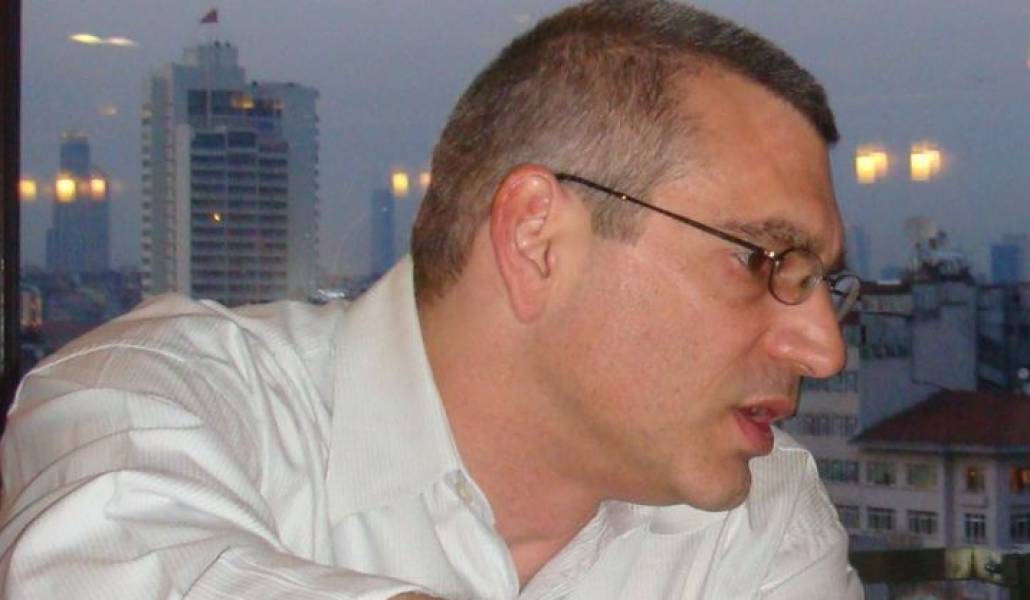
"Not only will there not be a final agreement on the Turkish-Armenian border opening before April 24, but this summer as well. The border will possibly open this September," says Director of the Center for National and International Studies Richard Kirakosyan.
According to him, the process will get more complicated if no agreement is made this year. However, the American analyst considers Turkish Foreign Minister's visit to Yerevan as a new process in the Turkish-Armenian reconciliation.
Azerbaijan is trying to take advantage of this process to solve the Karabakh conflict to its benefit and is trying to keep Turkey away from opening the border until Armenia returns the liberated lands.
While Turkish Foreign Minister Ali Babacan was in Yerevan for the session of the Black Sea Economic Cooperation-member countries, Azeri officials were expressing their complaints to Azeri and Turkish presses about the possible agreement on the border opening.
Richard Kirakosyan is currently in Istanbul and predicts two scenarios in this situation.
In the first case scenario, Turkey and Azerbaijan are putting on a show. In other words, they have no discrepancies and are working together against Armenia. The second case scenario, which the analyst considers real, is the following.
Baku and Ankara are radically diverse and in this case, Turkey's one step towards Armenia means a step back from Azerbaijan.
Kirakosyan believes that Turkey is changing its policy; in other words, we are seeing the Turkish interest rather than the Turkish-Azeri or Turkish-American interest.
"Modern-day Turkey is changing within. There is not one huge force or faction that is totally against Armenia," says Richard Kirakosyan. Even the army, which has always had a significant impact on decision-making in Turkey, views the Turkish-Armenian border opening in Turkey's interest. This means that Turkey sees economic stability as the resolution to the issue of Kurd-populated regions and not through arms. (But this may be dangerous for Armenia-ed.).
The financial crisis has had both a positive and a negative impact on the border opening. According to the politician, on the one hand Turk investors lost the money that they could have invested in Armenia. On the other hand, opening the border in a time of crisis means an opportunity to create new trade markets.
Upon the request of "A1+", Mr. Kirakosyan predicted whether the U.S. President would pronounce the word "genocide" in his April 24 address. The American analyst doesn't think that Barack Obama will use the term "genocide" this year considering his recent visit to Turkey and Americans don't think it is the right time.
Richard Kirakosyan believes that Turkey's recognition of genocide is much more important than U.S. recognition or that of any other country. After the Turkish-Armenian border opening and the establishment of diplomatic relations, Kirakosyan forecasts a change in the mentality of Turks which will eventually lead to recognition of the Armenian Genocide. But this may happen only through Armenia's consistent efforts.