MEETING OF THE MEMBERS OF EURO-ATLANTIC PARTNERSHIP COUNCIL
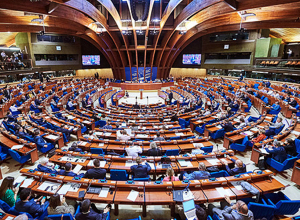
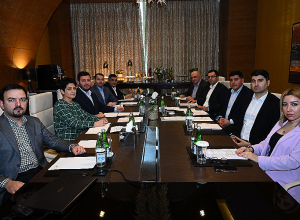
Support A1+!The tenth anniversary year of Partnership for Peace, the Heads of State and Government of the 46 member states of the Euro-Atlantic Partnership Council (EAPC) met today in Istanbul to discuss current security challenges and how they can best meet them. On the basis of the shared values and principles that underlie their cooperation, they recommitted themselves to pursuing the basic objective of their Partnership - to strengthen and extend peace and stability in the Euro-Atlantic area.
EAPC Heads of State and Government expressed broad support for a major report on the future development of their Euro-Atlantic Partnership, which outlines the core objectives of Partnership - political dialogue and practical cooperation, efforts to promote democratic values and foster democratic transformation across the Euro-Atlantic area, preparing interested Partners for participation in NATO-led operations and continuing through Partnership for Peace to support Partners who wish to join the Alliance.
They reaffirmed their commitment to building a Partnership which would be tailored to the different needs of individual Partners. In this respect, they welcomed NATO's intention to place a special focus on relations with the states of the Caucasus and Central Asia, including the decision by the Alliance to appoint one liaison officer for each region. They also welcomed the launching of the Individual Partnership Action Plan process by several states of the two regions. This process enables individual Partners to establish together with the Alliance a range of reform objectives, upon which the Alliance will provide advice and assistance.
EAPC Heads of State and Government welcomed the commitment to ensure that as NATO reforms the way in which it develops future military capabilities, how it marshals them for operations and conducts operational planning, it will closely bear in mind the need to ensure that Partners are able to continue making high-value contributions to NATO-led Operations. They also endorsed the NATO Policy on Combating Trafficking in Human Beings developed in consultation with Partners.