NK conflict on Lavrov’s agenda
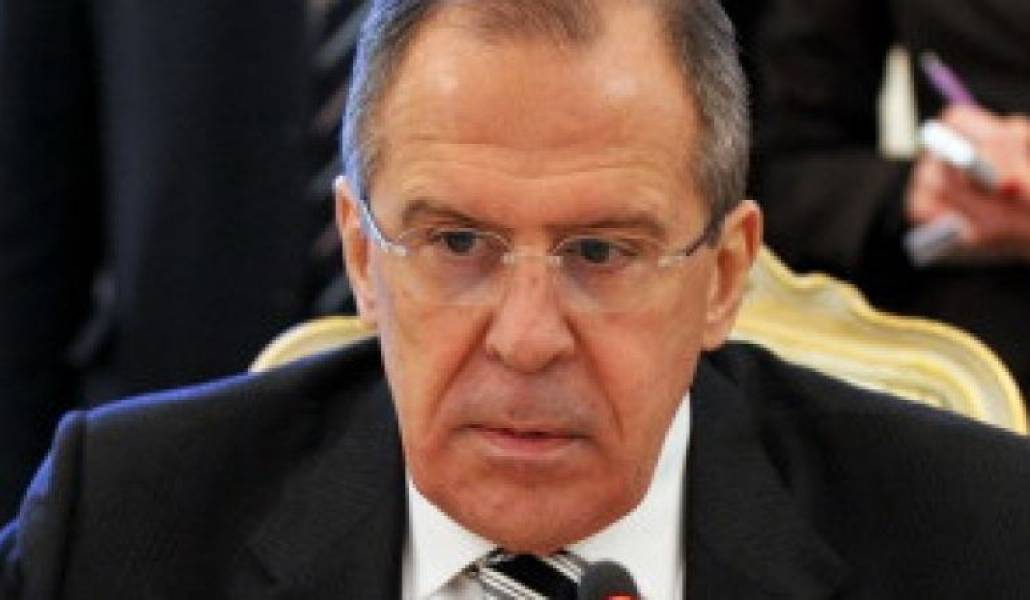
The Nagorno-Karabakh conflict resolution is still on the agenda of the Armenian-Russian relations in light of the January 23 meeting of the Russian, Armenian and Azerbaijani Presidents in Sochi. This is stated in the commentary of the Russian Ministry of Foreign Affairs regarding Russian Foreign Minister Sergey Lavrov's upcoming visit to Armenia.
In the commentary it is mentioned that Russia welcomes the sides' willingness to quickly come to terms on the Basic Principles, taking into account the efforts that have been made to this point, and will do everything possible to support that in the trilateral format and as a Co-Chair country of the OSCE Minsk Group.
Russian Foreign Minister Sergey Lavrov will pay an official visit to Armenia on April 2-3. During the visit dedicated to the 20th anniversary of the establishment of diplomatic relations between Armenia and Russia, Lavrov will have meetings with his Armenian counterpart Edward Nalbandyan, RA President Serzh Sargsyan, Prime Minister Tigran Sargsyan and Chairman of the National Assembly Samvel Nikoyan.
In the Russian Foreign Ministry's commentary it is mentioned that the signing of the Protocol on the Establishment of Diplomatic Relations between the Russian Federation and the Republic of Armenia on 3 April 1992 "has turned into an important milestone in the stage based on current realities in the development of the historical Armenian-Russian relations".
"Russia and Armenia currently have intensive contacts and are interested parties. That allows the countries to solve urgent issues related to cooperation, coordinate the positions on foreign policy issues. Russian President Dmitri Medvedev's visit to Armenia in August 2010 and RA President Serzh Sargsyan's state visit to the Russian Federation on 23-24 September 2011 served as a strong impetus for Russian-Armenian relations," as stated in the document.
It is also mentioned that Russia maintains its position as Armenia's leading economic partner. In 2011, bilateral trade circulation made up nearly 1 billion dollars and will continue to grow.
"Partnership has been established between general and specialized international organizations, including the UN, the OSCE, the Council of Europe, the Black Sea Economic Cooperation and other organizations for efficient solutions to issues on the global and regional agenda, as well as in multilateral formats," as stated in the commentary provided by the Department of Information and Media of the Ministry of Foreign Affairs of the Russian Federation.