Will OSCE Minsk Group work for another 20 years?
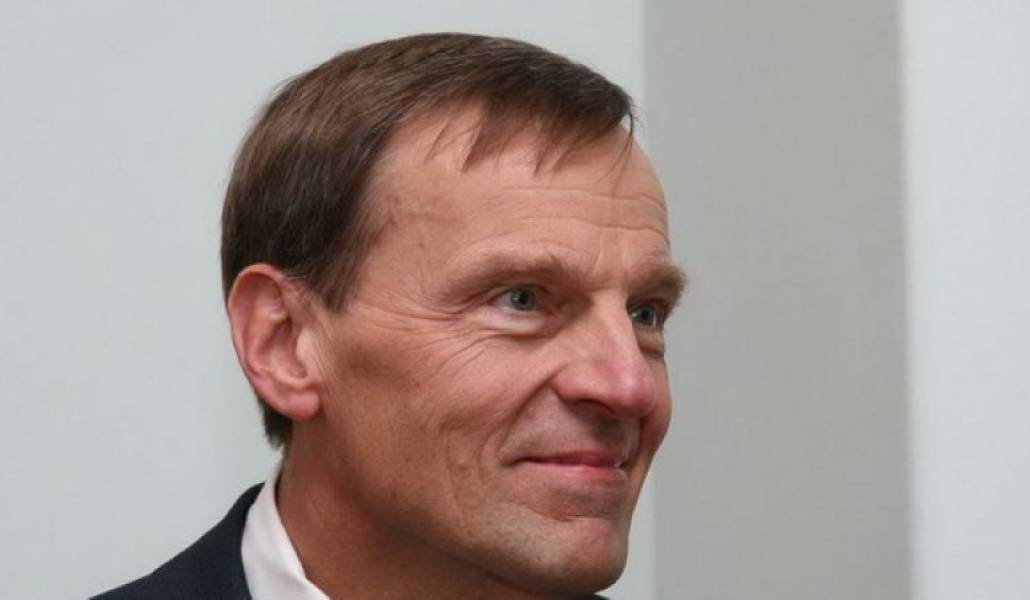
"The sides involved in the Karabkh conflict are probably closer to an agreement than they think they are. Because of the lack of trust, it makes it harder for them to see this." OSCE Minsk Group U.S. Co-Chair Robert Bradtke told Aazatutyun (Liberty) radio station.
"The Basic Principles for solving the conflict are more clear now than they've ever been and do represent real progress over where we were in 1992 or in 1994, when the cease-fire came into effect," he said.
Looking back on 20 years of work by the Minsk Group, the U.S. Co-Chair singled out three main achievements.
"I think the Minsk Group has done three important things. First of all, it has helped be a factor for stability. It has helped defuse tensions. It has helped prevent the outbreak of another war, and when cease-fire violations occur -- and they have occurred throughout this period, since 1994 -- it has helped ensure that those cease-fire violations do not escalate into something more serious."
"The second thing the Minsk Group has done is be a channel for communication between and among the parties. The parties don't have the capability, necessarily, to talk directly to one another. So when we travel to the region or when we meet the leaders outside the region, we hear their views and we can convey those views to the other party in a way that helps them, perhaps, to understand each other better."
"And the third thing that was part of our mandate that we have done in this period is to develop a common basis for negotiation. In the past five years in particular, that has been the focus of the work of the co-chairs -- to develop this framework document, called the Basic Principles [which include the return of Armenian-occupied lands surrounding Nagorno-Karabakh to Baku's control; the right of return for displaced persons; interim status for Nagorno-Karabakh with security and self-governance guarantees; a corridor linking Armenia and Nagorno-Karabakh; and an agreement to determine the territory's final legal status at some point in the future]," said Robert Bradtke.
Asked whether the Nagorno-Karabakh conflict can be resolved in the coming 20 years, the U.S. official said, "What our leaders have said at Deauville and [what] we repeat to the sides frequently is that in our view, the status quo is unacceptable. And for that reason, I think that in 20 years we must resolve this conflict. We must make progress in resolving this conflict. We cannot in 20 years look back and see the same situation we have today."