Time to correct the biggest error
Support A1+!Today marks the 17th anniversary of the signing of the ceasefire agreement at the Armenian-Azerbaijani line of contact.
Seventeen years ago, the sides of the NKR conflict, including Armenia, Karabakh and Azerbaijan signed a ceasefire agreement in Moscow.
The most significant value of that document is that it was signed by all the conflicting sides, including Karabakh, Armenia and Azerbaijan.
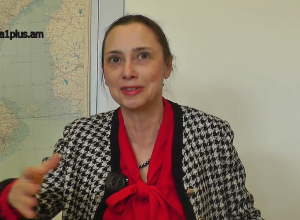
"With that document, for the first time Karabakh sent a clear message to the international community about who the real sides of the conflict are," former RA Foreign Minister Alik Arzumanyan told "A1+". Arzumanyan says Armenia must do everything possible to reinstate the real format in the process of negotiations.
Former Minister of Defense Vagharshak Harutyunyan told "A1+" that the ceasefire agreement strengthened the de facto line of contact. According to him, the Armenian side's correct tactic made it possible for Karabakh to sign the ceasefire agreement.
"Armenia refused to sign the ceasefire agreement and reasoned that Karabakh should be held responsible for fulfilling the agreement. Armenia had its share of obligations in terms of borders, but we clearly set aside Armenia from Karabakh so that the NKR would sign the agreement as a full-fledged side," said the former defense minister who most actively participated in preparing the signing of the ceasefire agreement.
Harutyunyan also attaches importance to Karabakh's return to the table of negotiations and says Armenia's biggest error was leaving Nagorno-Karabakh out of the process of negotiations.