Versions for political prisoners’ release
The RA law "On Freedom of Rallies", which is currently being discussed at the National Assembly, allows the police to decide how far a rally can be held from a building of state significance.
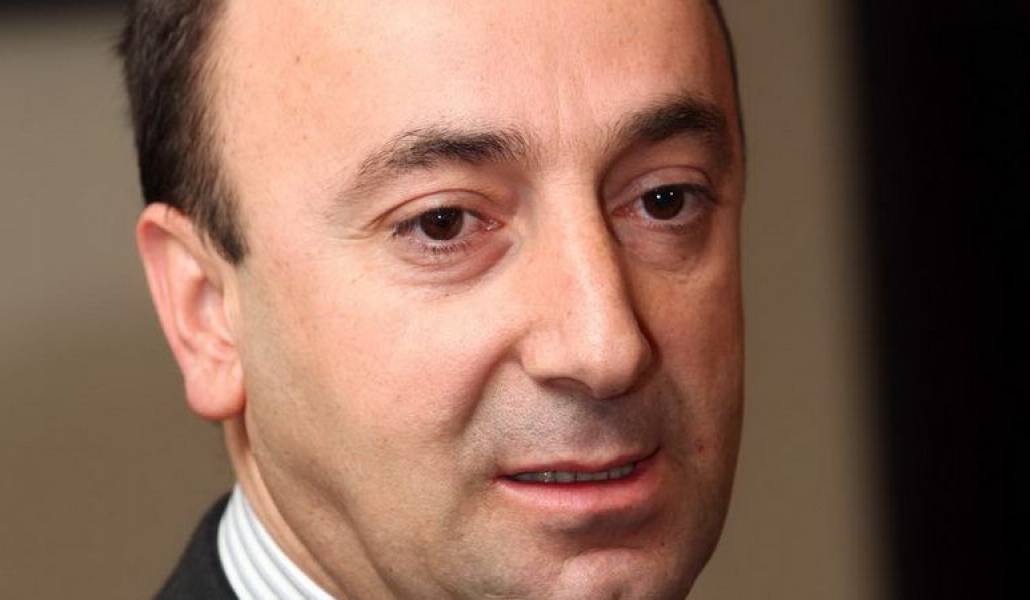
"There should be evaluations. If it is one person, the latter can stand right in front of the gates. If it is a rally with 1,000 or 2,000 participants and the head of state is currently receiving a delegation, the rally should be at a certain distance. Defining meters is not always the best version," said RA Minister of Justice Hrair Tovmasyan in response to "A1+"'s question.
Taking into account Armenia's experience, "A1+" also asked Mr. Tovmasyan how correct is it for the police to determine that distance. "It is rather easy for people who are not lawyers to determine this or that distance. In this case, the police will be the ones to decide and if there are any disputes, the court will decide," said Hrair Tovmasyan.
According to the minister, the draft law is different from the existing law in many terms. "The political meeting and other events such as celebrations and concerts are separate from each other. In practice, when a political meeting and another type of event are at the same level, preference is given to concerts."
The law "On Freedom of Rallies" introduces an institute called "setting forth conditions". "The person notifying and the authorized body can negotiate on changing the hour and the venue. The law clearly sets all grounds for limiting, ending and dispersing rallies."
The justice minister also touched upon the statement by the CE Co-Rapporteurs on Armenia yesterday in which they also addressed the lack of revelation of the 10 murders of March 1, the consequences and the release of political prisoners.
"I have stated several times that there are several versions for releasing those people and the first way is through legislative reforms. The second version is amnesty and the third one is addressing the head of state with a request. I don't know a case when one of those people has addressed the president with a request and not been released. The fourth version is premature release."
The justice minister also touched upon editor-in-chief of "Haykakan Zhamanak" daily newspaper Nikol Pashinyan's letters that are not sent to the addressees.
""Haykakan Zhamanak" newspaper today wrote that the letters are not reaching their addressees. This may sound subjective, but I think there is no sense in prohibiting Nikol Pashinyan's correspondence. What is he writing that other newspapers aren't? That is also a form of political struggle. If you write something and nobody pays attention to it, perhaps you can say you write and it doesn't reach the addressees. I'm not saying it for this case in particular, but that situation does exist in general," said Hrair Tovmasyan.