R. Bradtke: “Status of these territories will change”
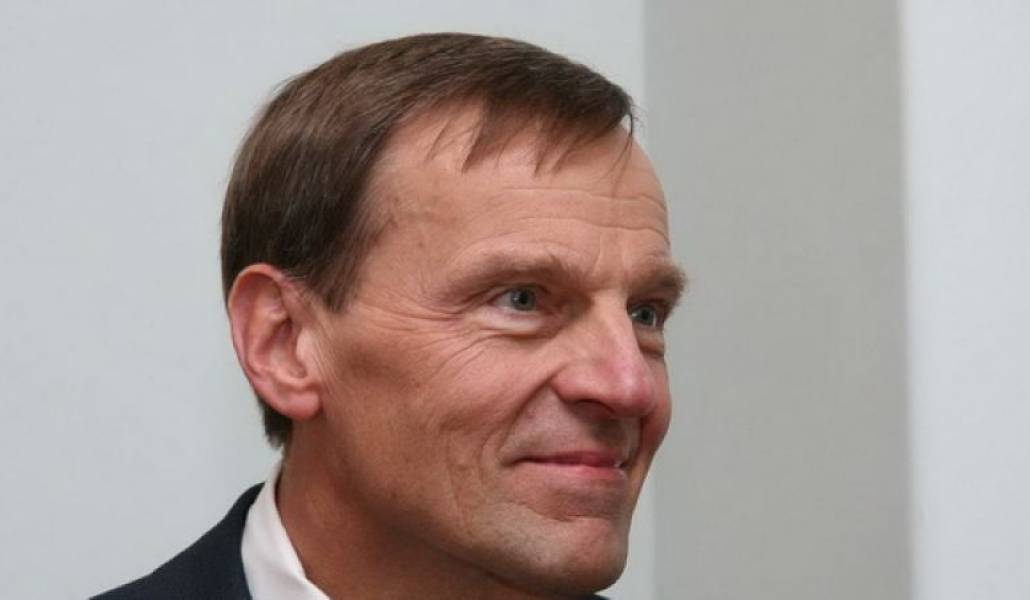
"The line of contact between the Armenian and Azerbaijani armed forces is not permanent, but the ceasefire must be observed" OSCE Minsk Group U.S. Co-Chair Robert Bradtke said in an interview to the Azerbaijani service of BBC radio.
The co-chair said crossing the line of contact of Azerbaijani and Armenian troops the OSCE MG wanted to underline that the line of contact is not a border separating the neighboring nations.
"We wanted to express our hope that one day the peoples of both sides will be able to cross the line of contact freely. Our second aim was to check the reports about the violation of the ceasefire and underline the necessity of respecting the ceasefire," said the America co-chair.
The co-chair said they had held talks on both sides of the line of contact and the talks were interesting enough as both sides gave contradicting reports about the situation, especially concerning the responsibility for the violation of ceasefire.
"I understood that much should be done to reach understanding between the two sides in order to advance the process of negotiations," he said
Robert Bradtke said civilians did not live on the line of contact.
"This is the territory, where civilians do not live. This is a road and we reached its end we saw trenches. Trees and bushes around have been cut down, so that they do not hinder the vision from both sides.
We were following the soldiers detecting mines. We witnessed again that there is a need to advance the peace process. The line of contact should not remain a permanent fence restricting the free movement of the people of the region. We witnessed the seriousness of the situation. I do not know whether our mission will change anything or not. But it was a message to all the sides. The line of contact is not permanent, but the ceasefire must be observed," the U.S. diplomat said.
The co-chair said there were some 40 meters between the Azerbaijani and Armenian troops in some places of the contact line. "The ceasefire is violated due to these reasons mostly, but recent events caused great concern.
Not only shootings took place in the contact line recently, but soldiers also attempted to cross he contact line. We told both sides that it is very dangerous situation and such cases should be prevented. The strengthening of ceasefire was in the focus of attention during our talks in Baku, in Yerevan and in Khankendi. I will be honest if I say that it will be impossible to deploy peacekeeping forces here immediately. We see none of the sides wants that".
The co-chair said the OSCE fact-finding mission would be very important visit to the region.
"These territories cannot remain so. One day the refugees will return home. The separating lines should be removed. We told the sides that we would like to see UNHCR and UNDP representatives to join us during the visit to these territories because these agencies will work in these territories one day. It means that we are looking forward to change current status of these territories," he said.
Regarding the upcoming meeting of the Armenian and Azerbaijani foreign ministers in New York, Mr. Bradtke said prior to the meeting the co-chairs will hold consultations with U.S. officials.
"During our last visit we informed the sides about the spheres where they can reach an agreement. We will discuss these issues in New York once more. We are expecting for constructive steps from the sides to move to the peace process," he concluded.