Minors should be paid
Many people in Armenian villages do not realize that their minors should not work at the cost of education. Meanwhile, the involvement of minors in agricultural work is a common phenomenon in almost all villages. Regardless of weather conditions, children work from morning till evening on a par with adults.
"We help our parents at each harvest season" said Chambarak resident Tatevik, 11, who was stacking hay with her 14-year-old sister.
"Many parents take their children to the field to collect potato. The school gives us a week's holiday to reap the harvest," adds Tatevik.
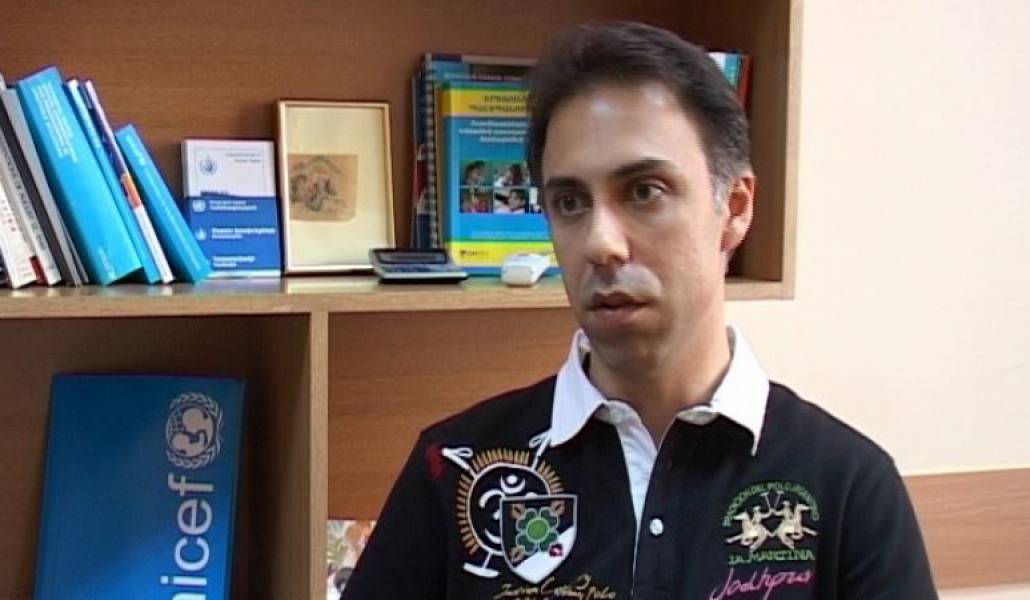
"By UNICEF regulations, a child can work if the work does not interfere with his studies, is not harmful to his health and does not hinder his development," Emil Sahakyan, head of the information and communication department of the UNICEF Armenian office, told A1+.
However, definite criteria should be set as to where and when children can work. In many cases, employers violate the rights of children: their work is not paid or they receive products instead," he notes.
Emil Sahakyan is convinced that the main reason for involving a child into agricultural work is poverty.
"In most cases, parents prefer that their children work and earn money than go to school. This simply speaks of the parents' attitude to education and knowledge," he added.
The UNICEF specialist says these children cannot later integrate into society and become its full member due to the lack of knowledge. "We should make these families realize that forcing their children to work they do not solve the problem of property, just on the contrary, they deepen it."
"The survey conducted in about 1066 households in 2008 revealed that about 5% of children do manual work. 40% of the surveyed children do not go to school," he said adding that children mostly work in agriculture, construction and in the service industry.