Are any changes expected after Clinton’s visit?
U.S. Secretary of State Hilary Clinton is starting a trip to South Caucasus on June 1. Secretary Clinton will visit Ukraine, Poland, Armenia, Azerbaijan and Georgia.
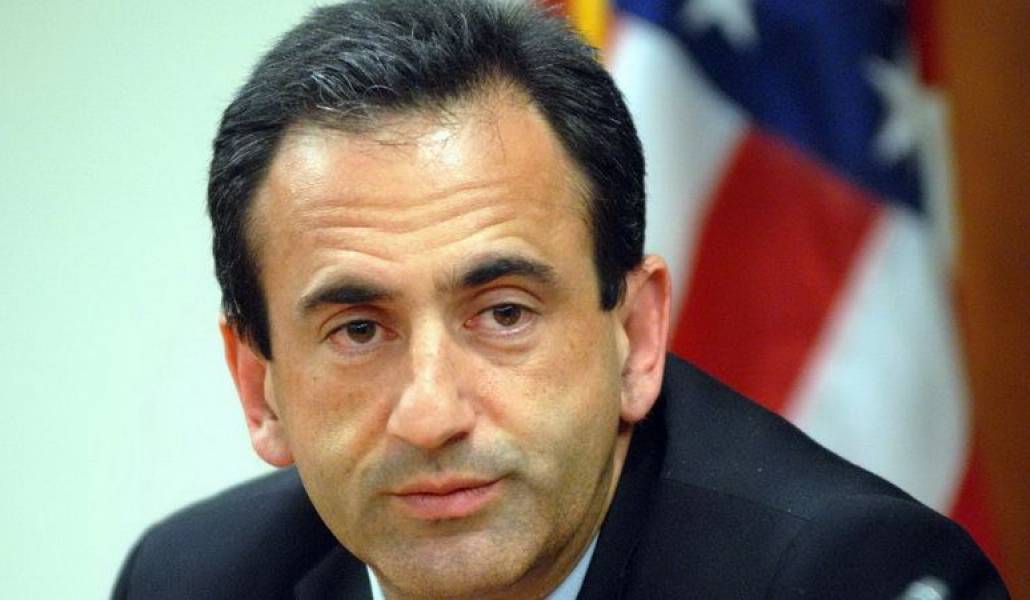
On Tuesday, prior to Hilary Clinton's visit, Assistant Secretary of State for European and Eurasian Affairs Philip H. Gordon held a special briefing.
QUESTION: Mr. Gordon, I got a couple of questions on South Caucasus. Let me start with Karabakh, obviously a very big issue during the trip to South Caucasus. I wonder if the joint statement by the presidents of Minsk Group Co-chair countries sort of predetermine Secretary Clinton's conversation on Karabakh in Baku and Yerevan. Will she be talking along the elements that were outlined in that statement?
ASSISTANT SECRETARY GORDON: Well, yes. Certainly in the sense - the presidents noted the progress that has been made up till now and the principles that should guide the discussions among the parties. And the United States is firmly committed to those principles and determined to work with the parties to encourage them down the same path. I think the G-8 leaders made the statement, as they had in L'Aquila the previous year, demonstrating their commitment at the highest levels to the Minsk Group process and our desire to see progress on this issue.
It - I think we've seen in some of the violence that has appeared in the region lately that we can't take stability for granted, and Armenia and Azerbaijan would both benefit from moving forward in the Minsk Group process. And the Secretary will have a chance in both countries to underscore what the presidents said in Toronto the other day.
QUESTION: I want to follow up on that. In terms of the violence that you mentioned, there's been a spike in violence and also you had Azerbaijan add another half a billion to its military budget. There was some of the rhetoric again just a couple of days ago. How concerned are you about those developments, and are you following up with Azerbaijani Government? Is that going to be a subject of conversations in Baku?
ASSISTANT SECRETARY GORDON: Well, we're concerned any time violence is - takes place anywhere. And certainly, as I just noted, nobody can take stability for granted when you have an armed standoff and disagreements like we have here, which underscores again why we are so committed to the Minsk Group process and the need for diplomacy. And that is the purpose of the Secretary's -- one of the purposes of the Secretary's trip to talk to both parties about how to move that process forward.
QUESTION: Sure. But in terms of your analysis, is the situation getting worse than it used to be or is it the same or is there any change to the status quo there?
ASSISTANT SECRETARY GORDON: Well, the situation has been stuck for a lot longer than we would want it to be, and any time there's an uptick in violence to any degree, it's something that we're very concerned about.
QUESTION: There was a proposal of the Armenian President Serzh Sargsian to Azerbaijani side to sign an agreement of not using force. Because we negotiate self-determination and territorial integrity, but still, there is not a point of not using force which co-chairman support, and the Armenian president made an offer. What's the position of the United States Government regarding this, and is Secretary Clinton supposed to discuss this topic?
ASSISTANT SECRETARY GORDON: Well, I think both sides have made clear their commitment to the Helsinki Principles, the first of which is non-use of force or threat of force. We'll look to them to reiterate their commitment to all of the Helsinki Principles as part of this process.
QUESTION: Mr. Gordon, the statement - the joint statement also calls - actually mentions the withdrawal of Armenian forces from the regions around Nagorno-Karabakh. Is it something - is it the message that Secretary Clinton will take to Yerevan when she talks to President Sargsian?
ASSISTANT SECRETARY GORDON: I think all of the principles that the presidents noted in their statement in Toronto - all of them together are very important to us and we would like to see movement on all of them and commitment to all of them.
Mary Beth.
QUESTION: Hi, Phil. Can you talk a little more broadly about what the Secretary hopes to get out of this trip beyond the forceful statement on democracy and the different bilateral issues? I mean, is it - would it be fair to say that there's kind of a regional thing here? This is a region maybe that's felt a little bit neglected or that worries with the reset. I mean, are there sort of broader themes?
ASSISTANT SECRETARY GORDON: I mean, yes. Any trip like this in multiple countries you have multiple goals, and Mike can talk some more about the particular focus on democracy and human rights, but there are some common themes. I mean, first of all, this is a chance to engage bilaterally with some country she hasn't yet visited as Secretary of State. In Ukraine, you have a new president who she had the chance to meet when he was here for the Nuclear Security Summit, but she'll be able to go and meet him in his country and spend the full day in Ukraine. She hasn't as Secretary of State been to Georgia, Armenia, and Azerbaijan. These are countries with which we have important bilateral relationships. She has engaged and met with the leaders of all of them, but there's something different about going to the country, hearing from them about their perspectives on this full range of regional and bilateral issues.
QUESTION: Would the Armenia-Turkish relations be on their agenda of upcoming trip to Yerevan? And also, Azerbaijan has some reservations regarding the reopening of the border gates. I wonder if the American side works with the Azerbaijani counterparts with this topic. Thank you.
ASSISTANT SECRETARY GORDON: I'm sure the Armenia-Turkish relationship will be discussed. As you know, we have been supporters of the protocols that the Secretary Clinton participated in the finding of in last October in Zurich because we think that normalization of relations between Armenia and Turkey would be good for Turkey and good for Armenia and good for the regional situation. Those protocols haven't been ratified. As you know, President Sargsian announced this past spring that he was suspending his pursuit of ratification. But that when Turkish partner was ready to move forward on ratification, Armenia would be as well. So this will be a chance for the Secretary to speak to President Sargsian and the Armenians about how they see that situation. We continue to believe it would be a good thing for the protocols to ratified and implemented and have an open border with Turkey that would benefit both Armenia and Turkey.