The word “bilateral” taken out of Protocols
There is a difference between the initialed Protocols and the Protocols signed in Zurich according to an official version as well.
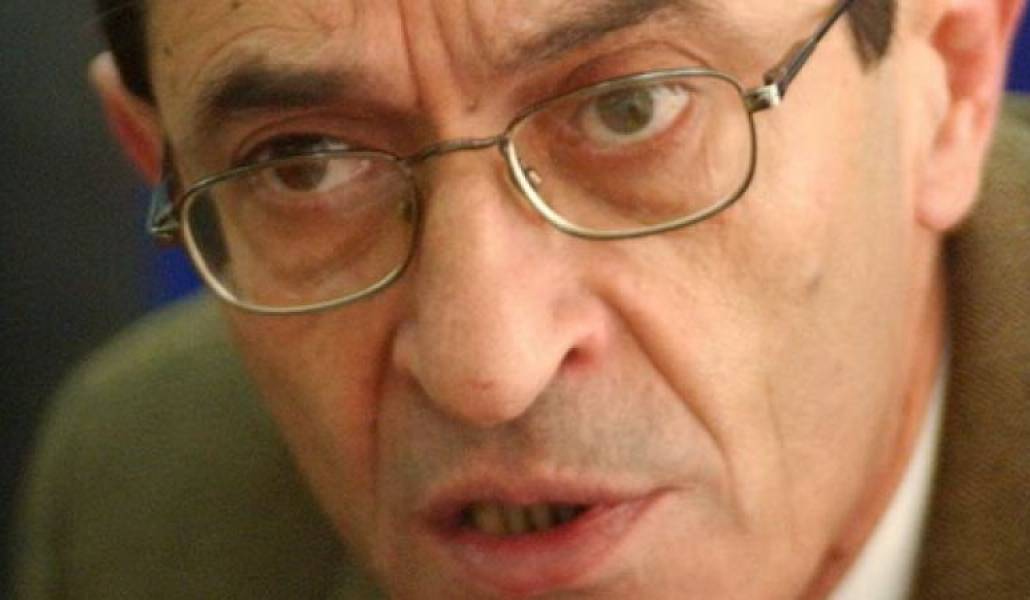
In an interview with "A1+", Deputy Foreign Minister Shavarsh Kocharyan said that that is only a technical difference. "Only the English version of the Protocols was initially signed. When the Protocols were signed in Zurich, the texts in Armenian and Turkish were fully corresponded to the English version, although in any case, the English version will serve as a basis in case of any debates."
"There is no difference between the initialed English version and the English version signed in Zurich, but an exception was the word "bilateral" that erroneously appeared in one of the Protocols. It was a technical mistake, but there is no difference," Kocharyan said.
Shavarsh Kocharyan reminded that there were non-official Armenian translations after the release of the English version, "but making that text correspond to the official one requires a lot of time and after doing all that, we now have the Armenian version which fully corresponds to the English one."
Does taking the word "bilateral" out of the Protocols mean that the points stated in the documents refer to a third country, for example, if we recognize Azerbaijan's borders whether we want to or not?
In response to that, Shavarsh Kocharyan clarified that the word "bilateral" is used in a totally different sub-text. In one document it was stated "Bilateral relations between Armenia and Turkey" instead of "Relations between Armenia and Turkey" and that is the only change that is of a technical nature."
"A1+" asked if the government is not concerned over the statements by the Turkish party according to which Turkey will not open the border as long as the "occupied" territories have not been returned. In response, Shavarsh Kocharyan said: "It is one thing to say something and another to do it. These Protocols are aimed at the link that Turkey has created between its policy and the Karabakh issue. Now we have to look at the actions being taken. As for what they say, we are also clearly presenting what we want to say."
The Deputy Foreign Minister registered once again that the commentaries from the Turkish side already go against the spirit, letter and goal of the signed Protocols. The statements by the Armenian side fit in within the framework of the letters, spirit and goal of the Protocols.
Who is going to follow-up on the completion of the Protocols? In response, Kocharyan said:
"An international treaty is an international treaty. The sides and some international instances must follow-up on completion, especially since this process is the focus of the international community."
As far as the timeframe for the parliaments' ratification are concerned, according to Kocharyan, "the timeframe is the only uncertainty because the parliaments are sovereign and nobody knows when they will ratify them. But they will try to fit in the reasonable timeframe."
But Shavarsh Kocharyan didn't mention just what the reasonable timeframe was.