RUSSIAN-GEORGIAN DEBATE STILL CONTINUES
Support A1+!
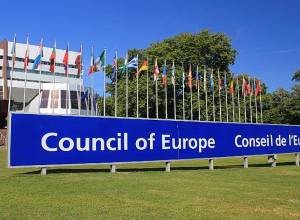
The implementation of Resolution 1633 on the consequences of the war between Georgia and Russia, adopted in October 2008, and the humanitarian consequences of the conflict are one of the highlights of the PACE winter session on January 28.
The Assembly is especially concerned about credible reports of acts of ethnic cleansing committed in ethnic Georgian villages in South Ossetia and the “buffer zone” by irregular militia and gangs which the Russian troops failed to stop. It stresses in this respect that such acts were mostly committed after the signing of the ceasefire agreement on 12 August 2008, and continue today. People are being shot dead by snipers. The report stresses that Russia as well as Abkhazia and Southern Ossetia should allow the Council of Europe to monitor the disputed territories.
The Assembly calls on the Russian authorities to allow observers from both the European Union and the Organisation for Security and Co-operation in Europe (OSCE) to have access to South Ossetia and Abkhazia, which are under the de facto control of Russia.
Note that Georgia has proposed 20 amendments to the draft resolution. They condemn the recognition by Russia of the independence of South Ossetia and Abkhazia as a violation of international law and Council of Europe statutory principles and demand that Russia withdraw its troops from the “occupied territories.” Russia, for its turn, has proposed 33 amendments.
Remind that yesterday CoE Secretray General Terry Devis anoounced that the Council of Europe cannot force its members to recognise or denounce the recognition of any country, be it South Ossetia and Abkhazia or any other state.
Karine Asatryan
Strasbourg